


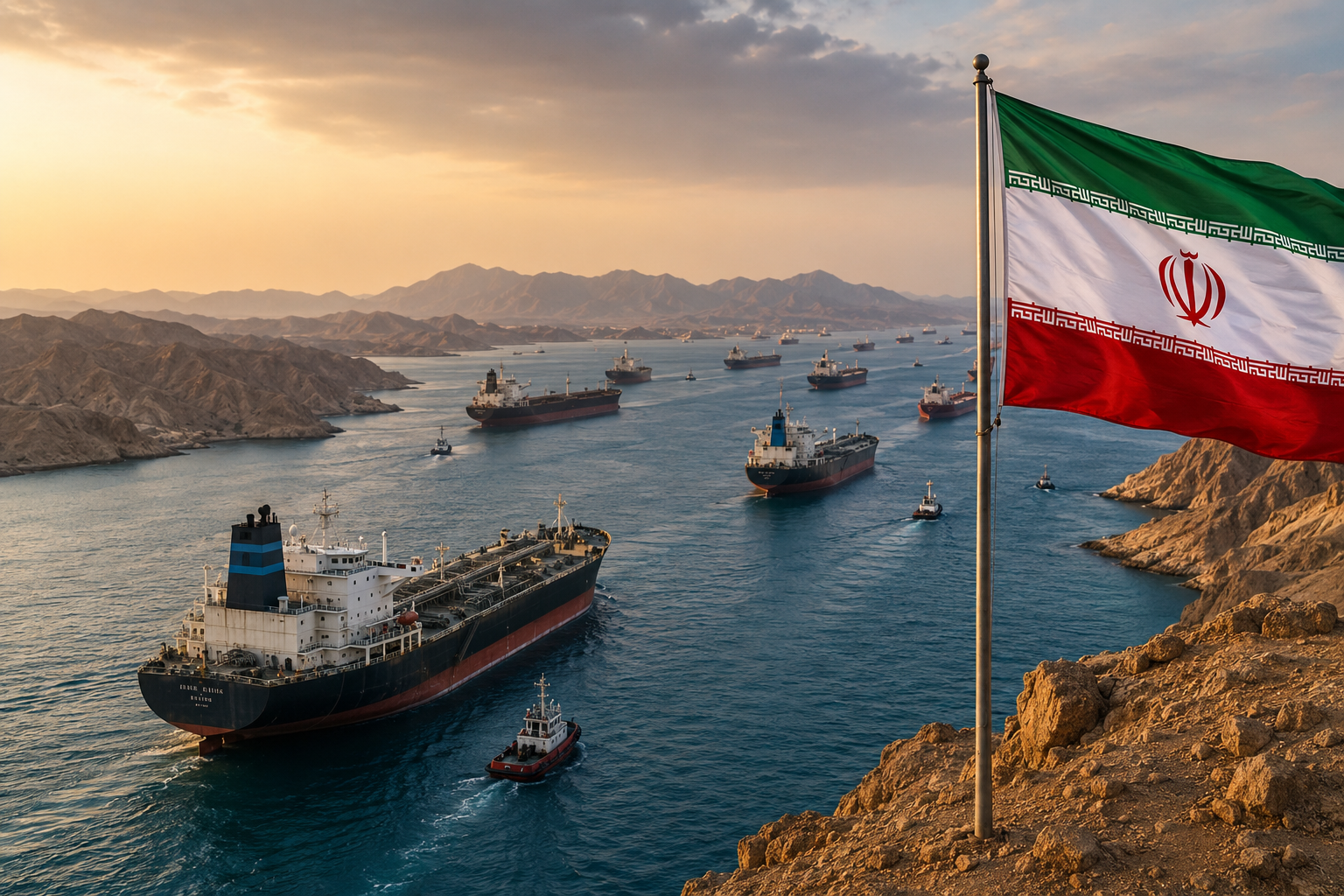
Dubai, May 7 2026: Iran has introduced rules for ships passing through the Strait of Hormuz. This move is said to challenge maritime law and could change global energy and shipping markets.
Iran’s new Persian Gulf Strait Authority is making ships give information before entering the strait. This includes details about who owns the ship, what it is carrying, the nationalities of the crew and the ship’s travel plans.
The Strait of Hormuz is very important for energy supplies. It carries one-fifth of the world’s oil and liquefied natural gas. Before the US and Iran had problems this year, ships could move freely through the Strait. Since then, Iran has warned ships not to pass through without permission.
Fewer ships are now passing through. This has raised concerns about energy supply disruptions and higher transportation costs. Uncertainty in the market has already made oil prices go up and increased volatility in energy markets.
Maritime experts say international law protects the freedom to navigate through straits like Hormuz. Legal experts argue that no single country can make a waterway into a permission-based corridor or charge ships to pass through.
Shipping companies are also worried about sanctions if they pay or comply with the Iranian authorities. Analysts warn that if the restrictions or uncertainty in Hormuz continue, it could disrupt trade, especially for oil and gas exports from the Gulf region.
Thousands of seafarers and commercial vessels are affected by the tensions. Governments are working on diplomacy and security to keep them safe.
With some signs of calm, analysts think the dispute over Hormuz may continue. This could have long-term effects on shipping routes, energy markets and maritime security.
Iran’s new rules for passing through Hormuz are increasing concerns about freedom of navigation, global energy security and the future stability of a shipping lane.