


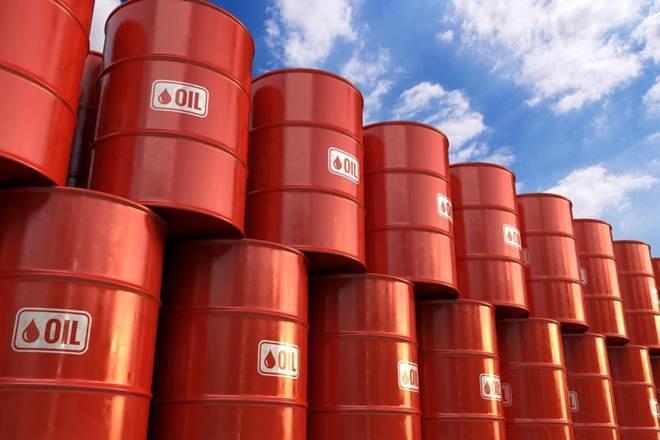
Dubai: The UAE has restored crude oil exports to near-record levels after disruptions caused by the regional conflict. The country’s strategic infrastructure and alternative export routes helped maintain supplies to markets as shipping through the Strait of Hormuz returns to normal.
UAE oil and condensate exports averaged around 3.7 million barrels per day (bpd) in June. This is higher than the 3.1 million to 3.3 million bpd typically exported before the conflict. Some estimates even showed exports briefly climbed above 3.9 million bpd, one of the levels recorded since 2017.
The UAE’s energy infrastructure, the Abu Dhabi Crude Oil Pipeline, played a big role in the recovery. This pipeline transports crude directly to the Port of Fujairah on the country’s east coast. This allows exports to bypass the Strait of Hormuz during disruptions.
Analysts say the rebound was driven by resumed shipping through the Strait of Hormuz, increased production, and the release of commercial inventories. The reopening of shipping lanes helped clear vessels. The UAE also increased production bringing supply close to war levels.
According to Kpler, Abu Dhabi crude loadings averaged about 4 million bpd throughout June. This is compared to around 3.4 million bpd before the conflict. The International Energy Agency (IEA) said the UAE used the ** underground storage facility** near Fujairah to maintain export flows.
The UAE’s largest export market is still Asia. However, trading activity has expanded to refiners in Africa, Europe, the Mediterranean and the US West Coast. ADNOC has also marketed crude cargoes through spot tenders. The recovery comes as regional oil flows improve following the easing of tensions. Commercial shipping through the Strait of Hormuz has gradually normalised. Oil prices have also retreated from their highs during the conflict.
The latest export figures show the UAE’s growing role as a global energy supplier. The country has invested in production capacity, storage facilities and export infrastructure. This strengthens its resilience during periods of uncertainty.