


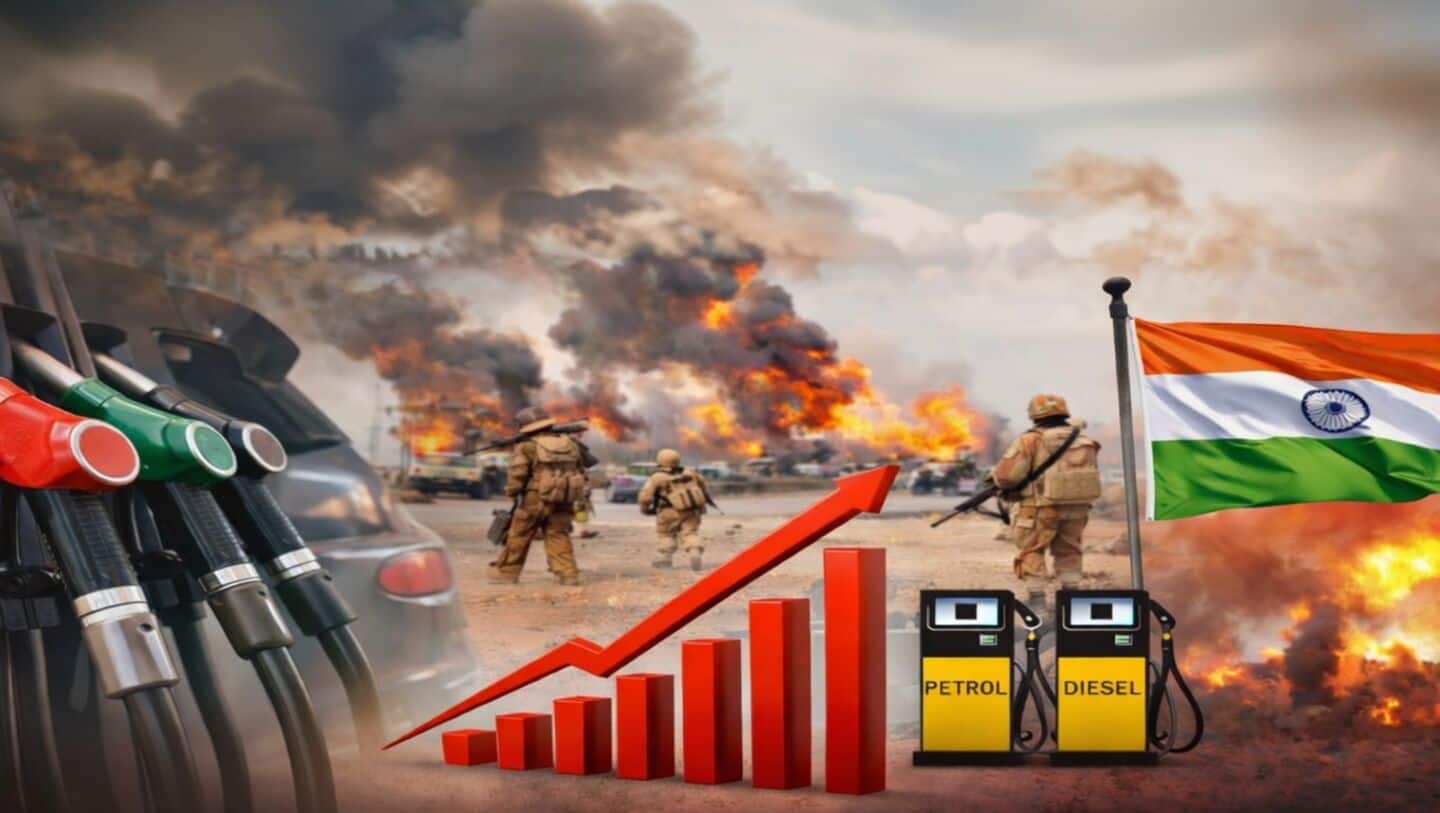
India has increased fuel prices because the country is dealing with rising energy costs and supply disruptions caused by tensions in the Gulf region. This is happening as the government tries to manage the pressure that is getting worse due to higher crude oil prices and problems around the Strait of Hormuz.
In New Delhi, petrol prices went up by 3 rupees per litre to 97.77 rupees. At the time, diesel prices increased to 90.67 rupees per litre. India imports 90 per cent of its crude oil needs. So India has been really affected by the energy crisis and the ups and downs in international oil markets.
The decision to raise fuel prices comes after Indian Prime Minister Narendra Modi asked people to reduce their fuel use and save foreign exchange reserves. India is doing this to conserve fuel and help the country during an economic downturn.
In a speech, Modi told people to work from home when they can, limit travel to other countries, use public transport, share cars with others and cut back on unnecessary spending like buying gold. He said saving fuel is a thing to do when the economy is struggling.
Some people are not happy with the timing of the fuel price increase. Opposition parties think the government waited until after some important state elections were over before raising the prices.
India has also taken steps to ease the pressure on foreign exchange reserves. The government raised import duties on gold and silver to 15 per cent to reduce the demand for these imports. Meanwhile, the Indian rupee is getting weaker and weaker due to oil prices that are straining the country’s import bill.
The authorities in Delhi are already putting fuel-saving policies into action. Government employees who can do their work from home have been told to do two days a week. Private companies are also being encouraged to follow this example.
India is also speeding up its programme to blend ethanol with petrol. This is part of an effort to reduce dependence on imported crude oil. Petrol stations all over the country now offer fuel that is a mix of petrol and 20 per cent ethanol. Policymakers are also looking into using fuels with higher ethanol content for cars that can handle it.
Energy experts think these steps can help India deal with energy shocks. However, they are still worried about the impact on the environment and the pressure on resources. India is taking these measures to reduce its reliance on oil and to manage its fuel needs better. India wants to make sure it can handle any problems with energy supplies.