


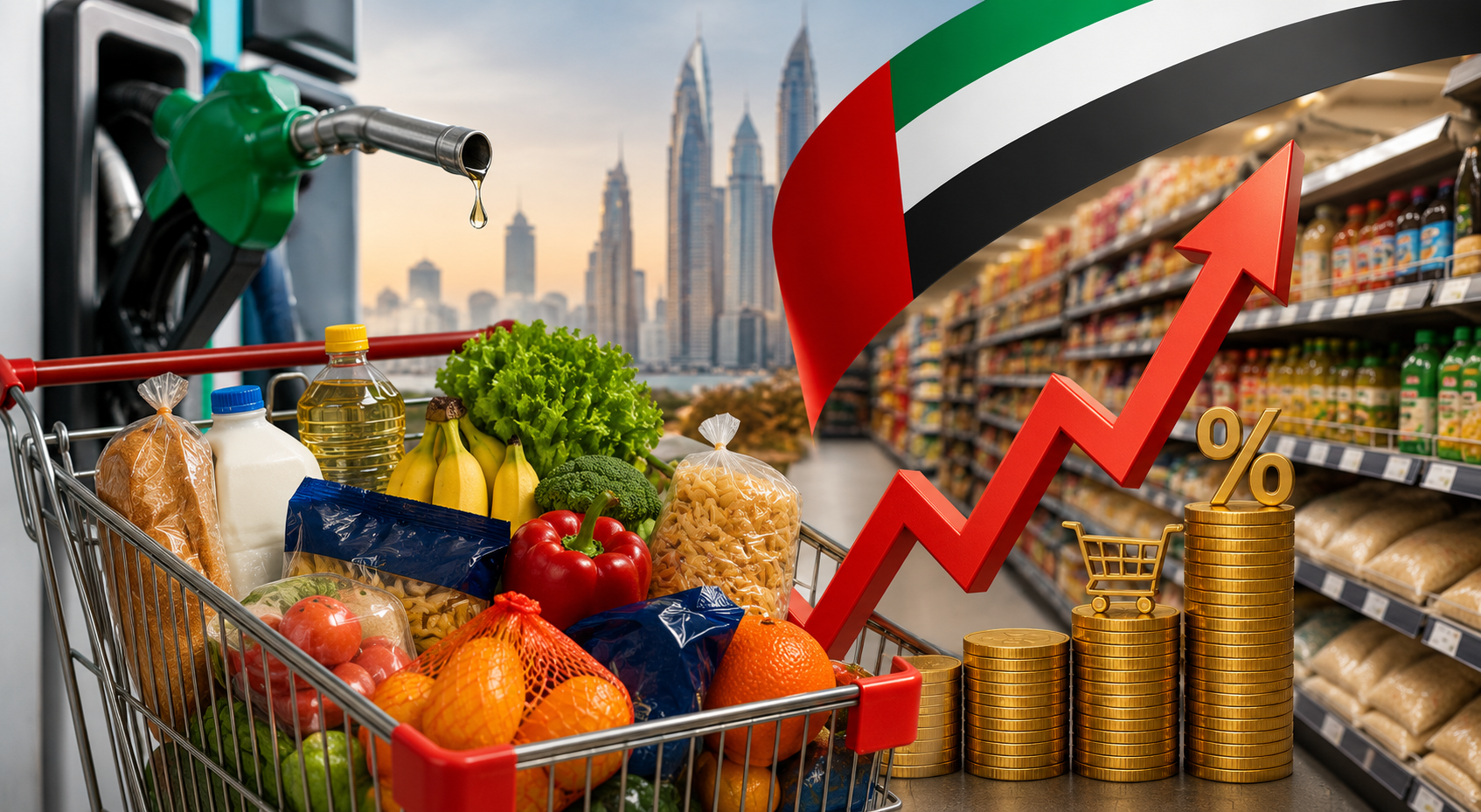
Dubai: People in the UAE might soon pay more for groceries because fuel prices are going up and causing problems with getting food into the country.
Many retailers and food suppliers are warning that grocery prices could increase if the current problems with fuel and trade routes continue. They say that higher costs for transportation and logistics are starting to affect food supply chains across the UAE.
Retailers have taken on most of the extra costs, but it’s getting harder to keep prices the same. Some products are more likely to go up in price, like:
- fruits and vegetables
- Dairy products
- Frozen foods
- Imported goods that people buy quickly
This is happening because fuel prices are rising and shipping routes are being affected by problems in the Middle East. When fuel costs go up, it makes everything more expensive, from getting goods into the country to storing and delivering them to stores.
Food prices around the world are already going up. The United Nations says that food prices have been rising for months because of higher energy costs and supply chain problems. Vegetable oils, grains and meat products are some of the things that have gone up in price.
In the UAE, inflation is also going up. In Dubai, the inflation rate has been. Transportation costs are a big part of that. Food prices have also gone up a bit as businesses pass on some of their costs.
Retailers think that grocery prices could go up by 3 to 8 per cent if fuel prices stay high for a time. However, many supermarkets and distributors are trying to keep prices down by buying in bulk, managing their stock better and making their logistics more efficient.
Experts warn that if fuel and freight costs keep going up, consumers might eventually have to pay more. For now, essential items are still relatively affordable. Shoppers might start to notice gradual price increases across several grocery categories in the months ahead.