


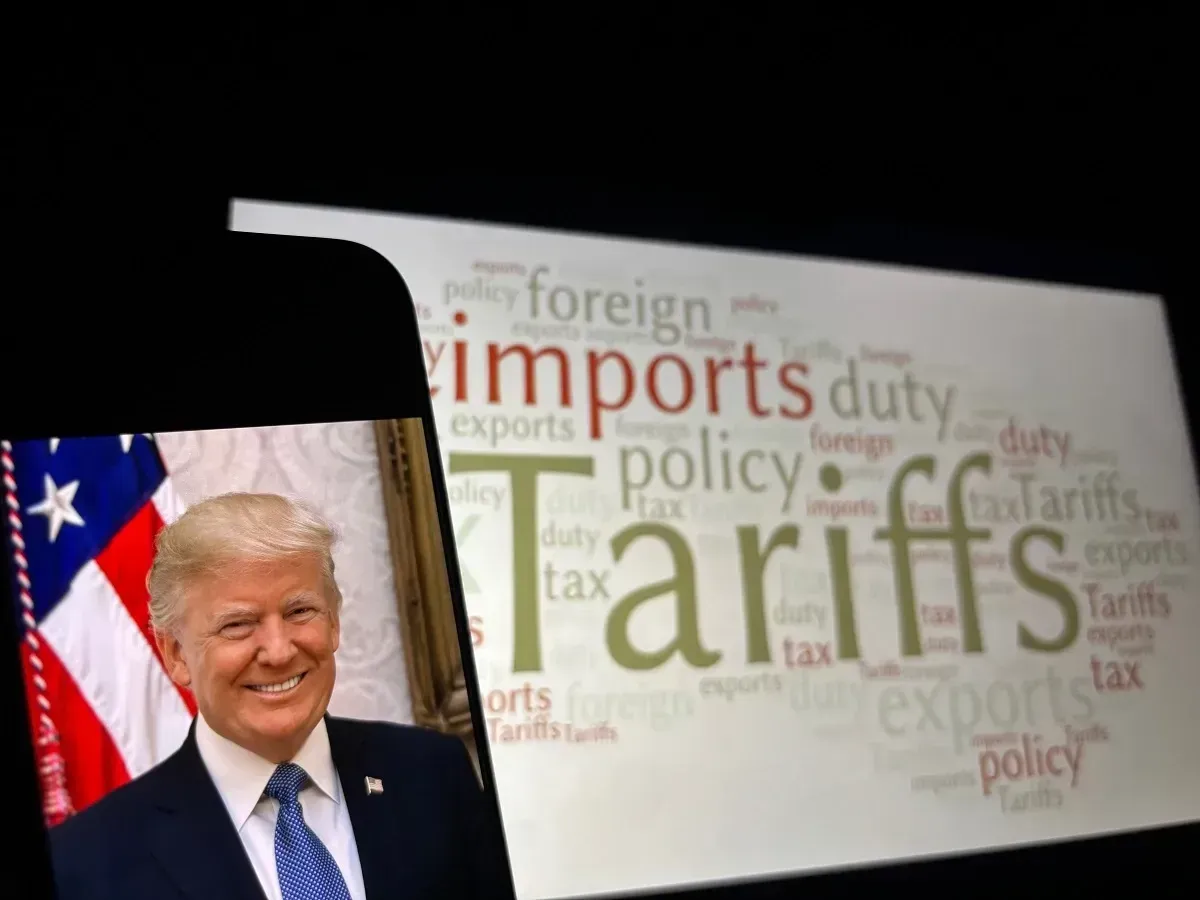
The US Supreme Court has dealt a major blow to Donald Trump’s global tariff strategy, ruling that he overstepped his authority by imposing sweeping import duties without congressional approval. Yet, just as the ink was drying on the decision, Trump fired back—announcing an immediate hike in global tariffs to 15% using a different legal mechanism.
Chief Justice John Roberts, writing for the majority, emphasized that only Congress—not the president—has the constitutional power to levy tariffs. The court found that the International Emergency Economic Powers Act (IEEPA), which Trump had used, does not authorize such broad measures. The ruling settles a “major questions” case with significant implications for US trade and the global economy.
For now, half of Trump’s global import tariffs—those based on IEEPA—are blocked. The judgment could lower the average US tariff rate and may open the door for complex refund claims on previously collected duties.
But the trade story didn’t end there. Within hours, Trump invoked Section 122 of the Trade Act of 1974 to announce a new, legally tested 15% global tariff for up to 150 days, citing balance-of-payments concerns. He called the Supreme Court’s decision “deeply disappointing” but was quick to assure that the new measure is allowed under existing law. Targeted tariffs on sectors like steel and aluminium remain unchanged.
For UAE investors—and anyone with exposure to US equities, global ETFs, or sectors sensitive to trade policy—the situation is a mixed bag. While tariffs act as a tax on US importers (and often trickle down to consumers), they represent only a small slice of overall US government revenue. Markets took the news in stride, with US stocks quickly recovering as investors welcomed some legal clarity, even as economic growth and inflation jitters linger.
What matters most for Gulf investors is the broader impact on global supply chains, oil prices, and geopolitical risk. If trade tensions cool, corporate earnings could get a lift. But with the new 15% tariff in play—and more legal battles likely—volatility remains a factor.
Bottom line: The Supreme Court’s ruling has curbed one avenue of Trump’s tariff tactics, but the trade saga—and its ripple effects for global investors—is far from over.