


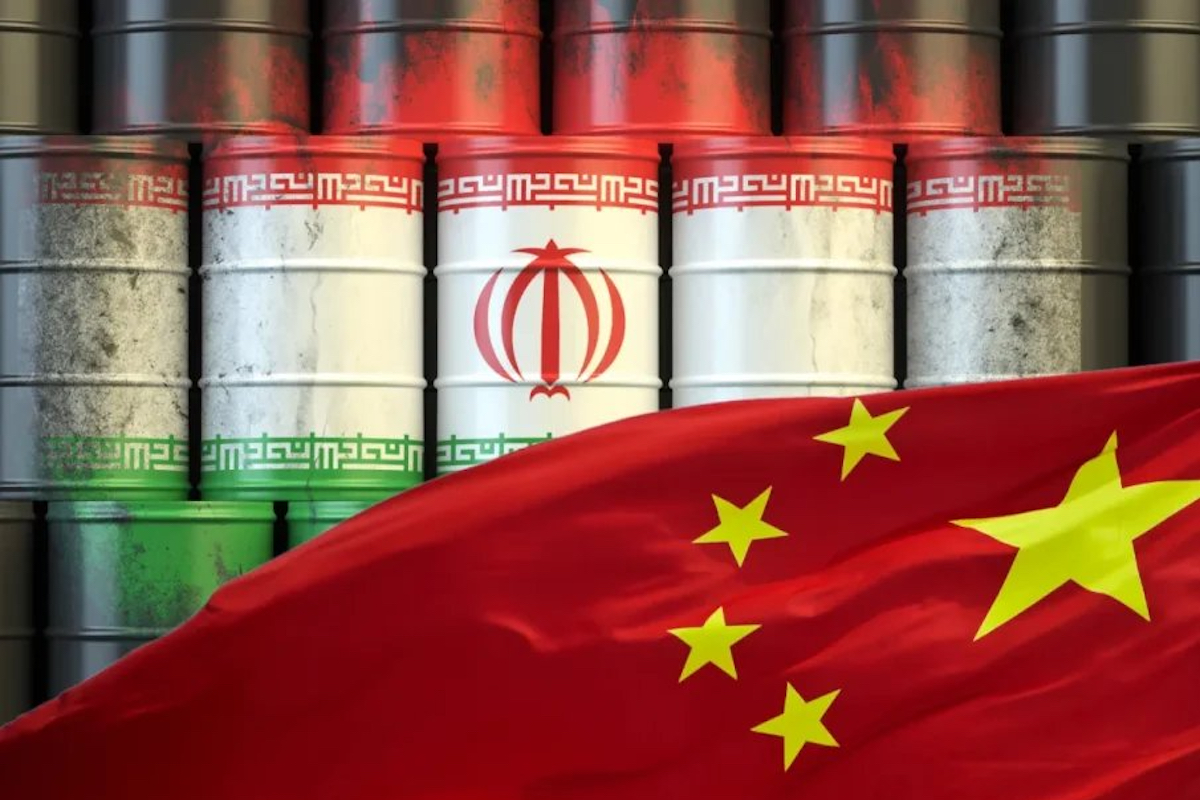
The Strait of Hormuz—a narrow stretch of water between Iran and Oman—has once again become the world’s most-watched maritime chokepoint as tensions between the US and Iran rise. If talks between Washington and Tehran break down, the impact on global shipping could be swift and severe.
Every day, about 20 million barrels of crude oil flow through the strait—roughly a quarter of the world’s seaborne oil trade. This vital corridor also handles huge volumes of liquefied natural gas from the UAE and Qatar, as well as container traffic linking Asia, Europe, and the Middle East. Even slight disruptions here can send shockwaves through global freight and insurance markets.
Recently, the US has reinforced its naval presence in the Gulf, with ships like the USS Abraham Lincoln operating within striking distance of Iranian waters. Meanwhile, Iran has stepped up naval drills and imposed temporary restrictions on parts of the waterway—moves not seen on this scale since the tense days of the 1980s tanker war.
For shipowners, the big concern is war risk. Insurance premiums for vessels traveling through the Gulf have spiked, with rates now between 0.2 and 0.5 percent of a ship’s value. Some Western-linked ships are even struggling to secure any coverage at all. If the situation escalates, insurers might declare ports in the region unsafe, letting shipowners refuse cargo orders under “safe port” clauses.
The stakes are high for everyone—including Iran. Bandar Abbas, a key Iranian port for both food imports and oil exports, sits right on the edge of the strait and would be directly vulnerable to any prolonged instability.
Even without a full blockade, targeted attacks or seizures of ships could send freight costs soaring, delay deliveries, and further stoke global inflation. Oil markets would likely react first, with prices jumping on fears of supply shortages.
For now, shipping is still moving through the strait. But with military deployments growing and tensions rising, the risk of a serious disruption is increasing—and global trade is holding its breath.