


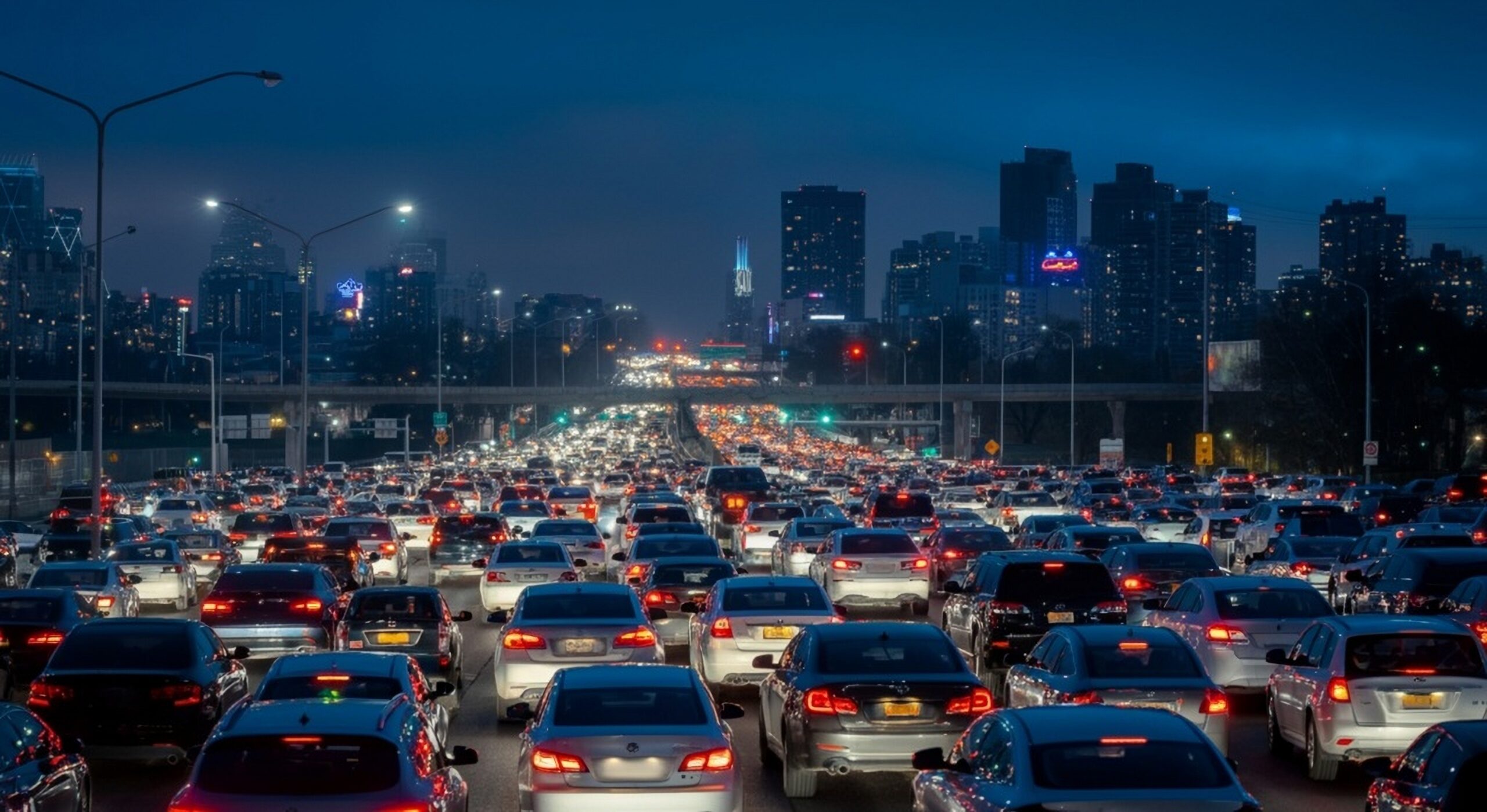
As Ramadan unfolds across the UAE, daily routines—and the flow of traffic—undergo a dramatic shift. With shorter working hours, pre-dawn Suhoor meals, Iftar gatherings at sunset, and late-night Taraweeh prayers, the rhythm of the roads changes for the next month, posing unique challenges and opportunities for motorists in Dubai, Abu Dhabi, and Sharjah.
Here’s your essential guide to navigating UAE traffic during Ramadan 2026:
Morning rush: Later, but busier
Unlike the usual peak around 7:30am, Ramadan mornings see traffic building between 8:30am and 10:30am as people start work later due to reduced hours. In Dubai, expect the slowest movement along Sheikh Zayed Road, especially between Jebel Ali and the World Trade Centre. In Sharjah, Emirates Road and Al Wahda Road are the main pinch points near the Dubai border. Abu Dhabi commuters will feel the squeeze on Sheikh Zayed Bin Sultan Street and the Maqta corridor.
Pro tip: Hit the road before 8:00am to get ahead of the rush.
Iftar rush: 5:00pm – 7:15pm
This is the most challenging time to be on the road. As sunset approaches (around 6:15–6:40pm in late February and March), traffic slows to a crawl as everyone hurries home to break their fast. Dubai’s Al Khail Road can be a good alternative to Sheikh Zayed Road, but congestion still flares up, especially near Business Bay and Dubai Hills. Commuters between Sharjah and Dubai should try E311 or E611. In Abu Dhabi, expect slowdowns on the Sheikh Zayed and Maqta Bridges.
Best bet: Arrive before 5:15pm or wait until after 7:30pm, when roads usually clear out.
Post-Iftar outings: 9:00pm – 11:30pm
After Iftar, expect heavy traffic around shopping malls, restaurants, and near large mosques as people head out for social gatherings and Taraweeh prayers.
Pre-dawn Suhoor spike
Between 2:30am and 4:30am, areas known for late-night dining—Satwa, Karama, and Al Barsha—get unexpectedly busy with people grabbing a meal before the day’s fast begins.
Smart navigation tips
- Use Google Maps’ “Depart at” feature to forecast congestion.
- Waze is especially helpful during Iftar rush with real-time community updates.
- Carpooling and public transport—like the Dubai Metro—can help reduce stress and save time during peak hours.
Ramadan is a month of patience and reflection, and that goes for time spent behind the wheel, too. Plan ahead, allow extra travel time, and drive with care to make your Ramadan journeys smooth and stress-free.