


Gaza City:
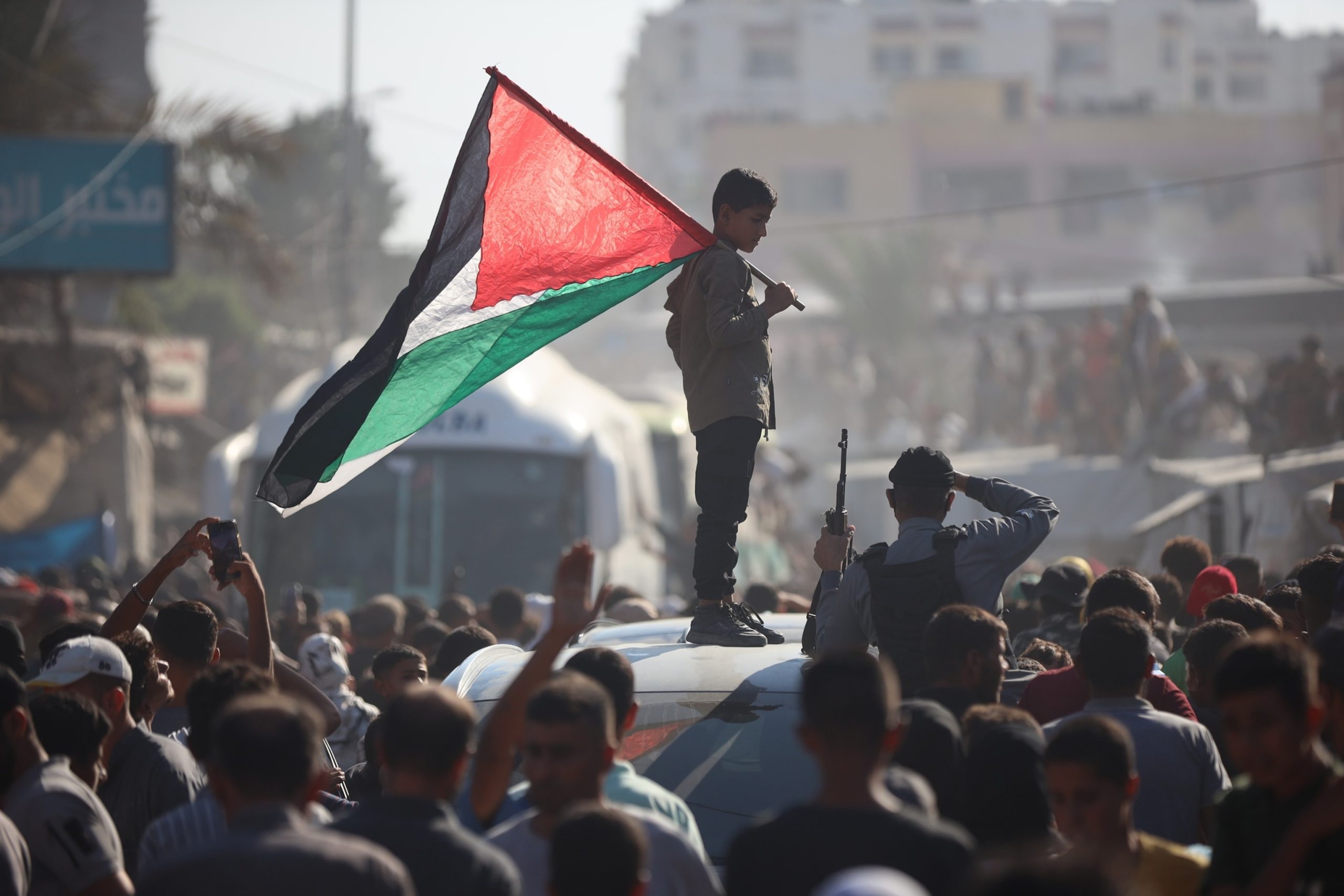
A small number of Palestinians have begun returning to parts of Gaza after months of displacement caused by the ongoing conflict, confronting extensive destruction and severe humanitarian challenges upon their return.
Residents crossing back into the enclave report neighbourhoods reduced to rubble, damaged roads, and limited access to electricity, clean water, and healthcare. Many families have found their homes partially damaged or completely destroyed, forcing them to seek temporary shelter with relatives or in overcrowded communal spaces.
Movement into Gaza remains restricted, with crossings operating under tight controls. Humanitarian agencies say the scale of devastation has rendered large areas uninhabitable, complicating relief and recovery efforts. Hospitals and clinics are functioning with limited capacity amid shortages of medicines, fuel, and medical equipment.
Aid organisations warn that food insecurity remains critical, with supply disruptions affecting vulnerable populations, including children and the elderly. Sanitation systems have also been heavily impacted, raising concerns over the spread of disease in densely populated areas.
For returning residents, the homecoming has been emotionally complex. While reunions with family members offer moments of relief, many face uncertainty over rebuilding their lives with few resources and limited prospects for reconstruction.
International agencies continue to call for sustained humanitarian access, protection of civilians, and support for essential services. The United Nations has stressed that long-term recovery will depend on stable conditions, unrestricted aid delivery, and coordinated reconstruction efforts.
Despite the hardship, many Palestinians say returning to their communities reflects a determination to endure and rebuild, even as Gaza faces an uncertain future.