


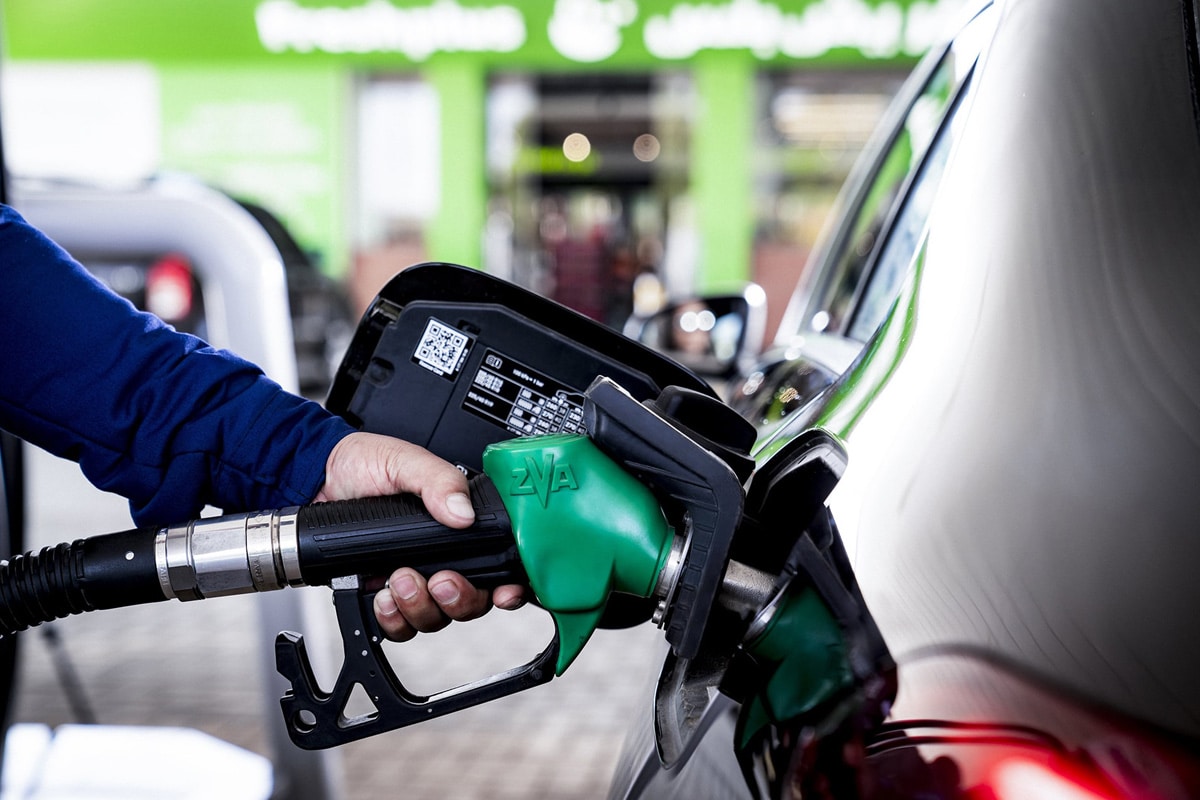
Dubai: UAE motorists can expect some relief in July as petrol prices are likely to go down for the first time in four months. This is because global crude oil prices have fallen sharply, and international energy markets are becoming more stable.
In the UAE, fuel prices have been going up since March. This was due to problems in the Middle East that affected shipping through the Strait of Hormuz. As a result, global oil prices went above $100 per barrel. In June, Super 98 petrol was priced at Dh3.95 per litre, Special 95 at Dh3.83, E-Plus 91 at Dh3.76 and diesel at Dh4.33 per litre.
However, things have changed over the past few weeks. Brent crude prices have come down from their June highs to around $70 per barrel. This is because people are less worried about supply disruptions. Also, shipping through the Strait of Hormuz is back to normal, which has helped restore confidence in oil markets.
Since UAE fuel prices are based on the month’s average international oil prices, the decline in June is expected to result in lower prices in July. Energy analysts say that the correction is due to supply conditions, not weaker demand. The reopening of shipping routes, more oil exports from the Gulf, and reduced tensions have lowered the risk premium that drove prices up earlier this year.
If market conditions stay stable until the end of June, industry observers expect Super 98 petrol to cost around Dh3.20 to Dh3.50 per litre. Similar reductions are likely for Special 95 E-Plus 91 and diesel. The final prices will be decided by the UAE Fuel Price Committee. Motorists may soon see a reduction in prices, which has not happened since the regional conflict started.
Analysts warn that energy markets are still sensitive to developments. Any new disruptions to shipping or escalation in tensions could quickly reverse the recent decline in crude oil prices. For now, July looks like it will bring some relief for UAE drivers after months of rising fuel costs. Petrol prices are likely to drop, which is news for motorists. UAE petrol prices are expected to decrease, bringing down the cost of fuel for drivers.