


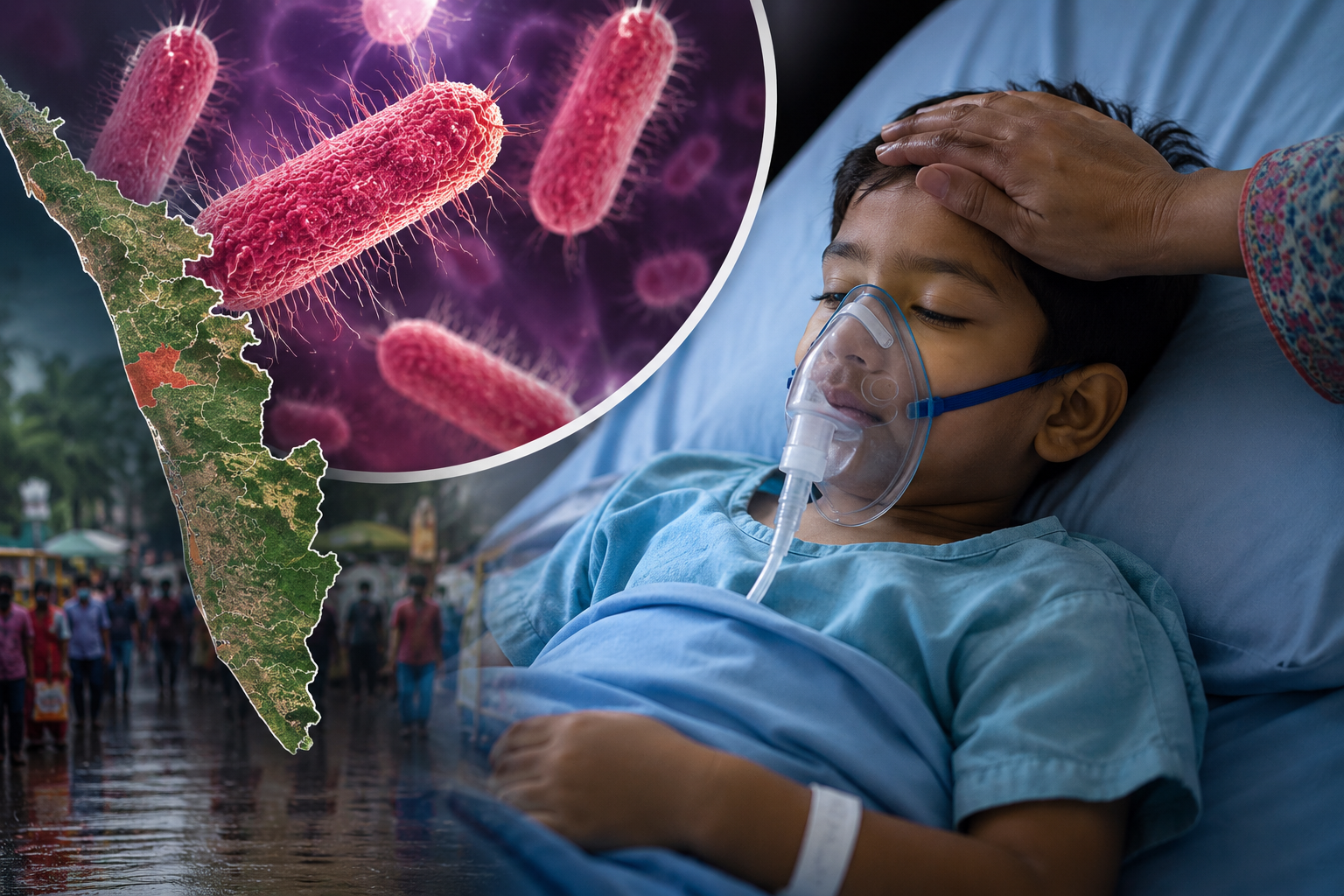
Kozhikode: A seven-year-old boy named Arjav from Malappuram district has died after getting shigellosis. This is Kerala’s Shigella-related death this year. It is making people worried about the spread of this infection in the state.
The boy, a Class II student from Kodur in Malappuram, was getting treatment at Kozhikode Medical College Hospital. He was admitted with fever and severe diarrhoea on June 12.
His Condition Got Fast
Health officials say tests showed that the boy had a Shigella infection. With good medical care, his condition got worse, and he died on Monday morning. Officials say this is the death linked to shigellosis in Kerala this year. Three of these deaths happened in June.
Shigellosis Cases Are Increasing
Kerala’s Health Department says there has been a recent rise in shigellosis cases. Since January, they have confirmed 135 cases in the state. 68 of these cases are from Kozhikode district. In June, there have been 62 confirmed cases and 17 suspected cases. This shows that the infection is spreading fast. Health officials also found three cases on June 14.
One-Year-Old condition remains critical
A one-year-old child is still in critical condition at Kozhikode Medical College Hospital. The child tested positive for the infection. Doctors are keeping an eye on the patient.
Previous Deaths
This is not the Shigella-related death in Kerala this year:
- A 59-year-old woman from Keezhattur in Malappuram died on June 9.
- A four-year-old child from Kozhikode died on June 6.
- A three-year-old girl from Anakuzhikkara in Kozhikode died in March.
Health Department Warns People
After the death, health authorities in Malappuram and nearby districts are working hard.
They are telling people to wash their hands, drink safe water, and handle food properly. They also say people should go to the doctor if they have symptoms like fever, diarrhoea, vomiting or blood in their stools.
What Is Shigella Infection?
Shigellosis is an infection caused by Shigella bacteria. It spreads through contaminated food, unsafe water and close contact with people.
Common symptoms are diarrhoea, fever, stomach cramps and vomiting. Many patients get better with treatment. It can be very serious and even life-threatening for young children, older people and people with weak immune systems. Health experts say that early diagnosis, proper hydration and prompt medical care can prevent complications and reduce the risk of illness.