


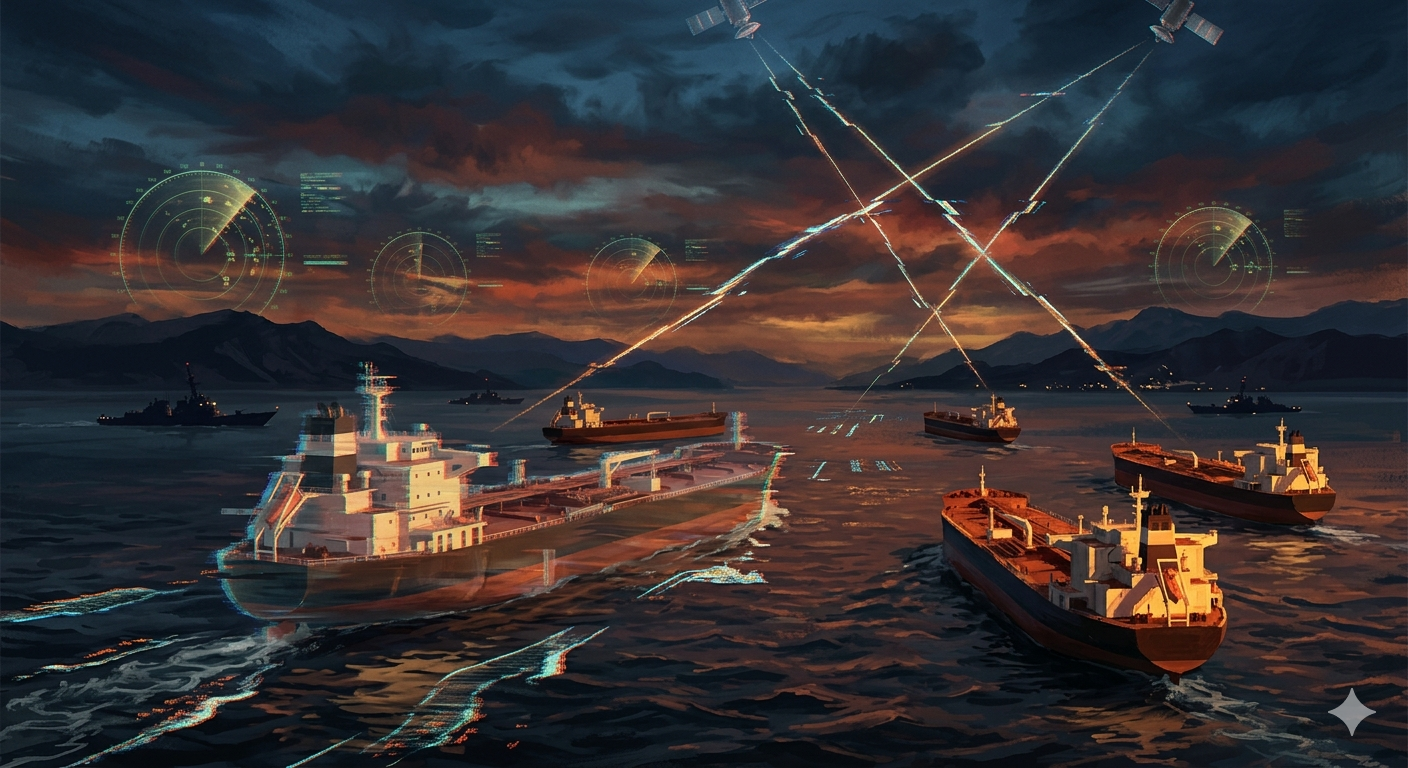
A new phase of confrontation is emerging in the Strait of Hormuz. Ships linked to Iran are using tactics to evade the US naval blockade. This shift marks a move away from naval standoffs. It is moving toward a shadow war” driven by technology and deception.
Maritime experts say there is a surge in vessels manipulating tracking systems. This is done to avoid detection. Normally commercial ships use transponders to broadcast their identity, position and route. Now operators are switching off these systems. Giving false data. This practice is known as “spoofing.” It effectively turns vessels into called “ghost ships.”
These ships may disappear from monitoring systems. They may reappear with “zombie” identities that mimic other vessels. This tactic creates confusion in one of the world’s shipping lanes. It complicates efforts by authorities to monitor traffic and enforce restrictions.
Analysts say these methods are similar to those used by Russia’s “shadow fleet” after the 2022 Ukraine conflict. This allowed sanctioned oil exports to continue despite restrictions. In the scenario using similar tactics suggests that operators are trying to bypass enforcement. They are also testing the limits of US surveillance capabilities.
The stakes are high in the Strait of Hormuz. A significant portion of the world’s oil and gas supplies pass through this waterway. Even minor disruptions can have global economic consequences. This affects energy prices and shipping routes.
To counter these strategies US forces use satellite imagery, radar systems and intelligence gathering. Despite challenges officials say the blockade remains intact. Several vessels reportedly turned back after contact with US forces.
The rise of spoofing tactics highlights a growing vulnerability. As maritime operations become more data-driven the conflict is evolving into a battle of information. It is as much about enforcement as it is, about information. This shows how modern geopolitical tensions are shaped by technology and strategic deception.