


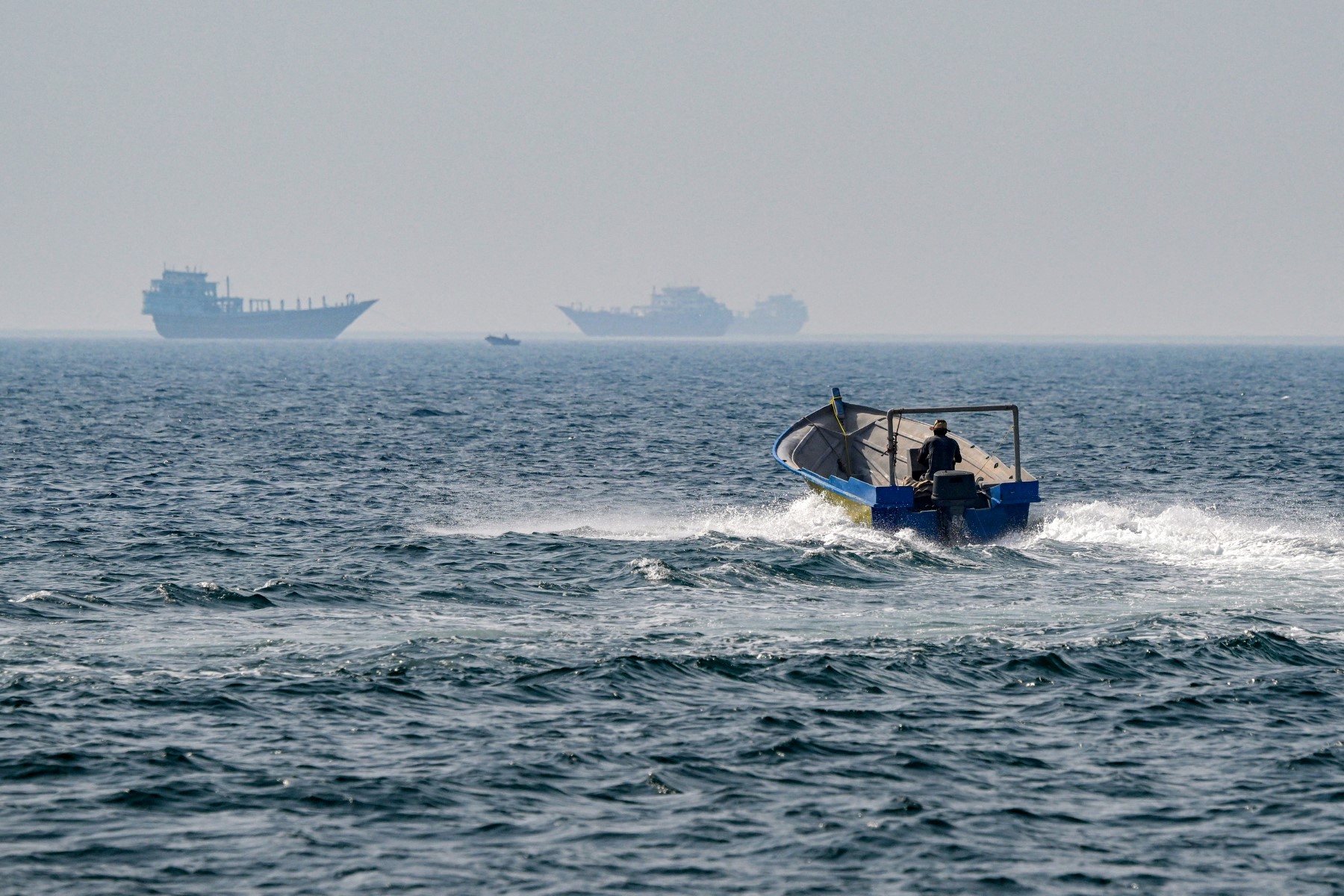
Traffic through Hormuz shows early signs of recovery, yet flights, oil markets and regional security are still under pressure
Dubai: The Strait of Hormuz is displaying tentative signs of recovery, but oil and tanker traffic remains far below normal as the US-Iran conflict keeps disrupting a vital global energy and transport corridor.
For UAE residents, the latest developments still matter for flights, shipping, oil prices, travel and Gulf security.
Hormuz traffic slowly recovers
Shipping and tanker-tracking data point to early signs of recovery in vessel movements through Hormuz. However, Gulf oil flows remain significantly below pre-war levels, meaning the rise in vessel traffic does not yet amount to a return to normal energy exports.
A sustained recovery could relieve pressure on oil markets, shipping insurance and regional supply chains. Renewed disruption, however, could drive crude and transportation costs higher.
US President Donald Trump has again said that “oil is flowing” through Hormuz and argued that countries benefiting from US protection should reimburse Washington. However, tanker data indicate commercial traffic has not yet returned to normal.
Dispute over tanker attack
Tensions remain high after a dispute over the Panama-flagged tanker El Gaia.
Iran’s Revolutionary Guards said the vessel exploded after hitting a naval mine in Hormuz. US Central Command rejected that account, saying the tanker had earlier been struck by an Iranian missile and was later hit by an Iranian drone while being towed off Oman.
The conflicting claims highlight the uncertainty surrounding maritime incidents in and around the strait. Further attacks could raise war-risk insurance and shipping costs.
Iran nuclear tensions
Iran has protested after Mohammad Eslami, head of its Atomic Energy Organization, was blocked from attending the IAEA General Conference in Vienna because of a UN sanctions-related travel ban.
The dispute comes as international concern over Iran’s nuclear programme remains high. Since strikes on Iranian nuclear sites, the IAEA has not been able to confirm the status of Iran’s stockpile of highly enriched uranium.
US broadens sanctions
Washington has increased financial pressure on Tehran, imposing sanctions on Russia’s VTB Bank on September 14 for allegedly helping Iran evade US sanctions.
This move comes after sanctions imposed on September 8 against 36 entities tied to Iran’s aviation sector.
UAE flights still disrupted
Airlines are still dealing with cancellations, delays and trimmed schedules. Emirates, Etihad, flydubai and Air Arabia have all been affected, and some international carriers are still suspending routes to the Gulf.
Passengers should check their airline’s website or app right before heading to the airport, leave extra time and watch notifications for last-minute changes.