


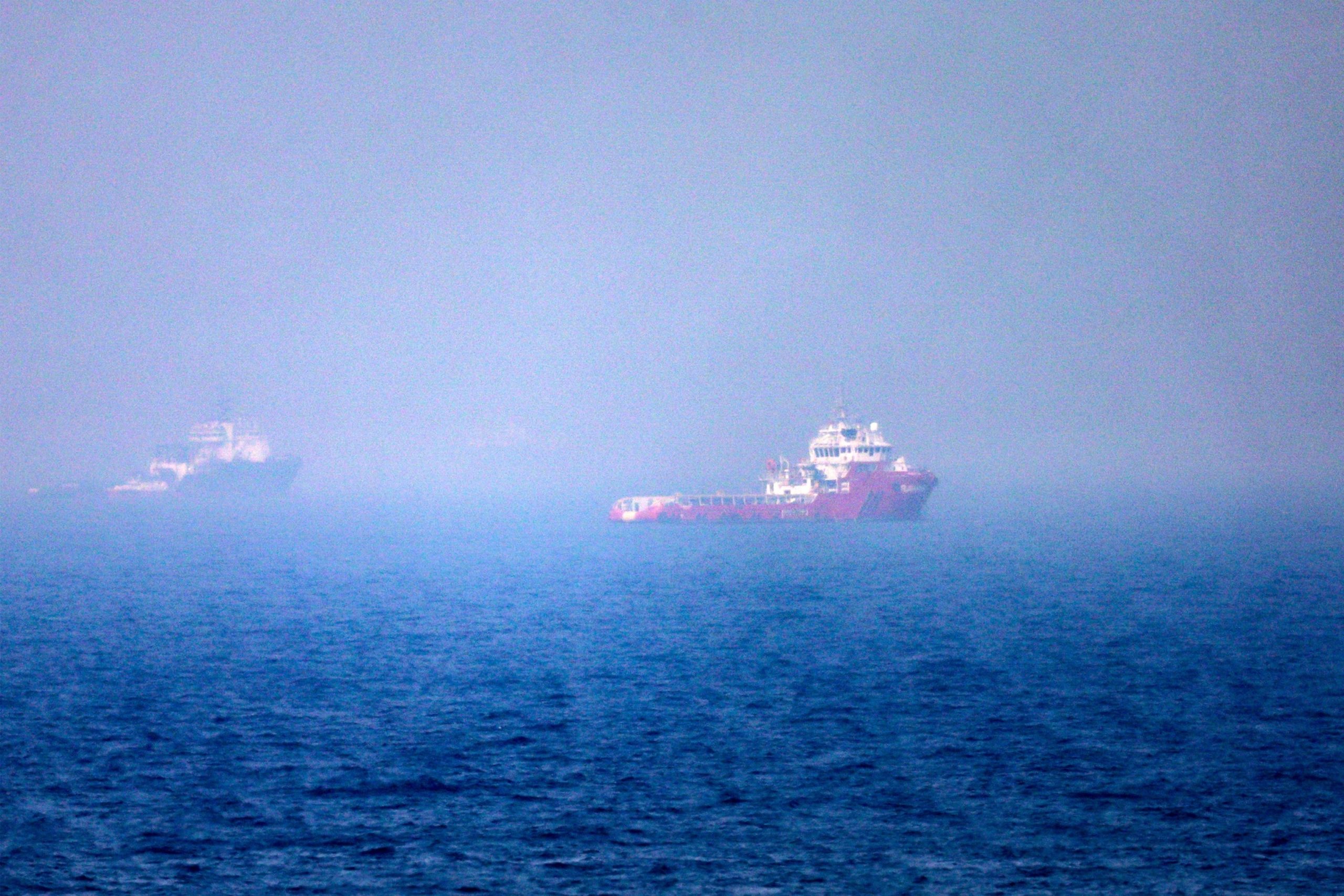
Dubai: Traffic through the Strait of Hormuz has gone down to just four ships carrying goods each day as attacks in the region increase, and Iran says no to new talks with the United States, making worries about world energy supplies worse.
A first look at Kpler data shared by Reuters showed four ships with goods went through the important waterway on Monday, down from 10 on Sunday, and much less than the about 120 ships each day before the war started.
Two ships that carry goods left Hormuz: one with cargo and the other without any cargo while two empty oil ships came into the strait. The numbers do not include ships that might have gone through with their tracking devices turned off.
Oil prices go up
The problem caused oil prices to go up on Tuesday. Brent crude went up more than 2 per cent to $108.18 a barrel, and US West Texas Intermediate went up to $103.85.
The effect is also happening to US drivers. The average price for diesel reached a high of $6.2694 per gallon on Tuesday, according to AAA, compared with $3.7577 when the US-Iran war started.
US President Donald Trump has said oil is still moving through Hormuz. In a message on Truth Social, he said countries that benefit from US efforts to keep the waterway open should pay Washington back after the fight is over.
However, the latest shipping numbers show how small the current traffic is.
More dangers from attacks
Maritime security got worse after two fishing boats were hit by drones near Iran’s Larak Island in the Persian Gulf. Some crew members were said to be missing and search and rescue is happening.
US Central Command also said Iran attacked the Panama-flagged ship EL GAIA at one point. CENTCOM said the ship was first stopped by a missile and then hit by a drone while it was being moved away from Oman.
Iran says no to talks
Iranian officials have said no to talks with the United States. Mohsen Rezaei, who is the secretary of Iran’s Supreme National Security Council, said there will be no talks until Tehran’s conditions are met.
Iran wants money for the war—less punishment before it stops the fight and the rules affecting Hormuz.
Pressure is also growing in the Red Sea. Kpler data showed that the number of ships going through Bab Al Mandeb dropped to 21 on Monday from 28 the day With two places where ships move seeing less traffic, worries about energy and goods are growing as the US-Iran fight continues.