


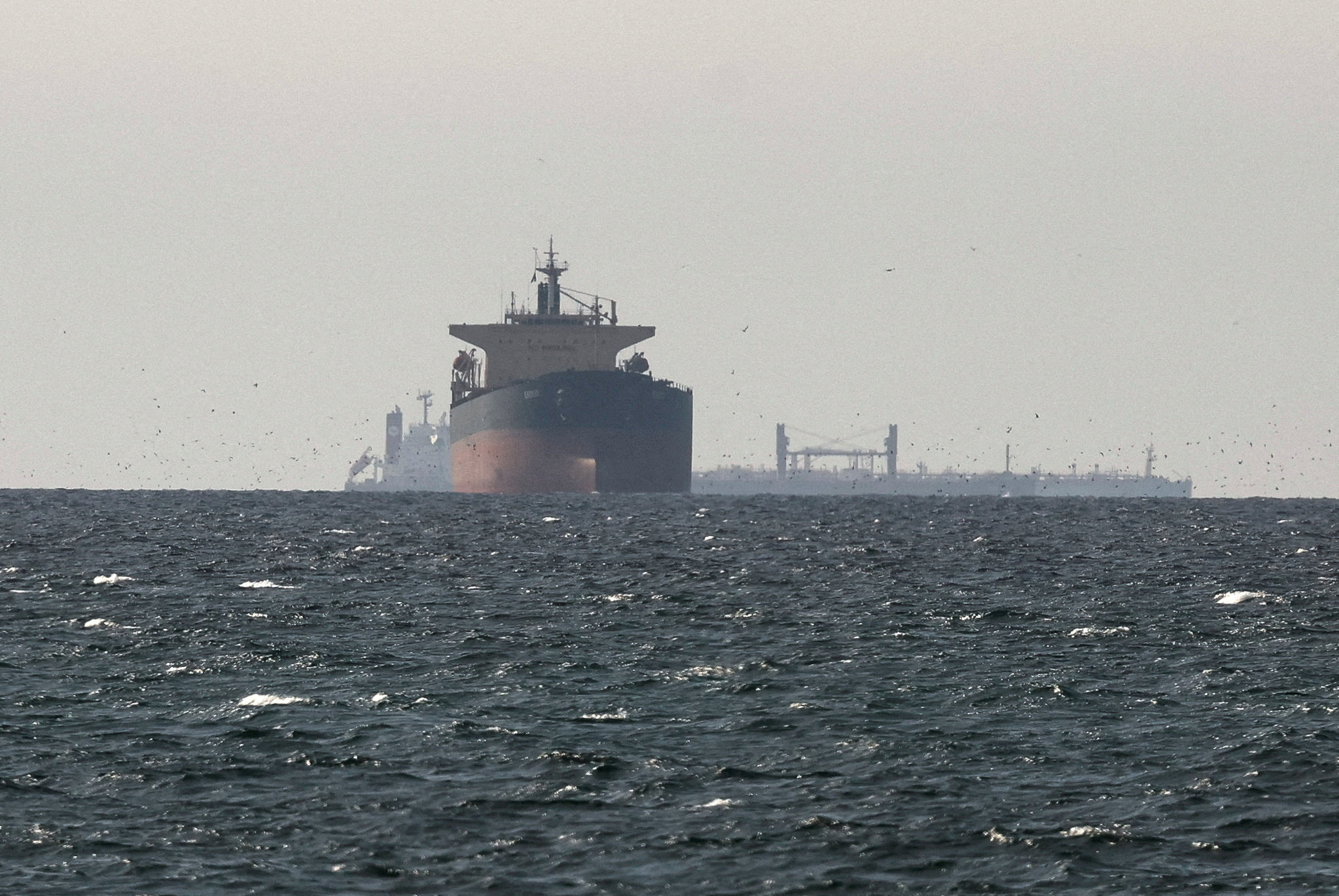
Dubai: Iran’s ability to use the Strait of Hormuz as a powerful economic weapon appears to be weakening. Oil shipments through the waterway are recovering, even as a US blockade continues to limit Tehran’s own exports.
Goldman Sachs estimates cited by CNN suggest Gulf oil flows have risen to around 15–16 million barrels per day. That is an increase from the estimated 5–6 million barrels per day recorded in March at their lowest point. Flows now stand at two-thirds of pre-war levels.
US forces have also been helping vessels and clearing shipping lanes through the Strait. According to US Central Command, 1,500 vessels carrying about 750 million barrels of crude have received assistance in recent months.
This recovery reduces some of Tehran’s influence. Iran still has the capacity to disrupt shipping using mines, drones, missiles and naval forces. Sustained interference could trigger further US military action.
Escalation remains an option
Iran could try to make the Strait dangerous. It might increase attacks on shipping or target vessels and infrastructure.
Mohsen Rezaei, secretary of Iran’s Supreme National Security Council, has warned that continued US economic pressure could prevent oil from leaving the Arabian Gulf.
A major escalation carries significant risks. Washington has deployed military resources around Hormuz. This makes it harder for Iran to disrupt traffic without provoking a confrontation.
Pressure could spread elsewhere
Tehran might also seek to expand the conflict beyond Hormuz. Increased Houthi attacks on shipping around the Red Sea and Bab Al Mandeb could force vessels to take routes around Africa. That would raise freight and insurance costs.
Another possibility is renewed threats against energy infrastructure in Gulf states. Such actions could undermine diplomatic efforts. They might also alienate countries trying to mediate between Iran and Washington.
Diplomacy offers another path
Iran could instead pursue negotiations while it still retains some leverage. Oman, Pakistan, and Qatar have been involved in efforts to find a way out of the conflict.
Economic pressure is mounting. Iran’s annual inflation reportedly reached 66 per cent in July. Food inflation climbed to 128 per cent. President Masoud Pezeshkian has also said foreign trade fell 35 per cent during the war.
For Tehran, time may therefore be becoming a factor. As commercial traffic through Hormuz gradually recovers while Iranian oil exports remain constrained, Iran’s important bargaining chip could lose value. Tehran must now weigh escalation, widening the conflict or negotiating from a weaker position.