


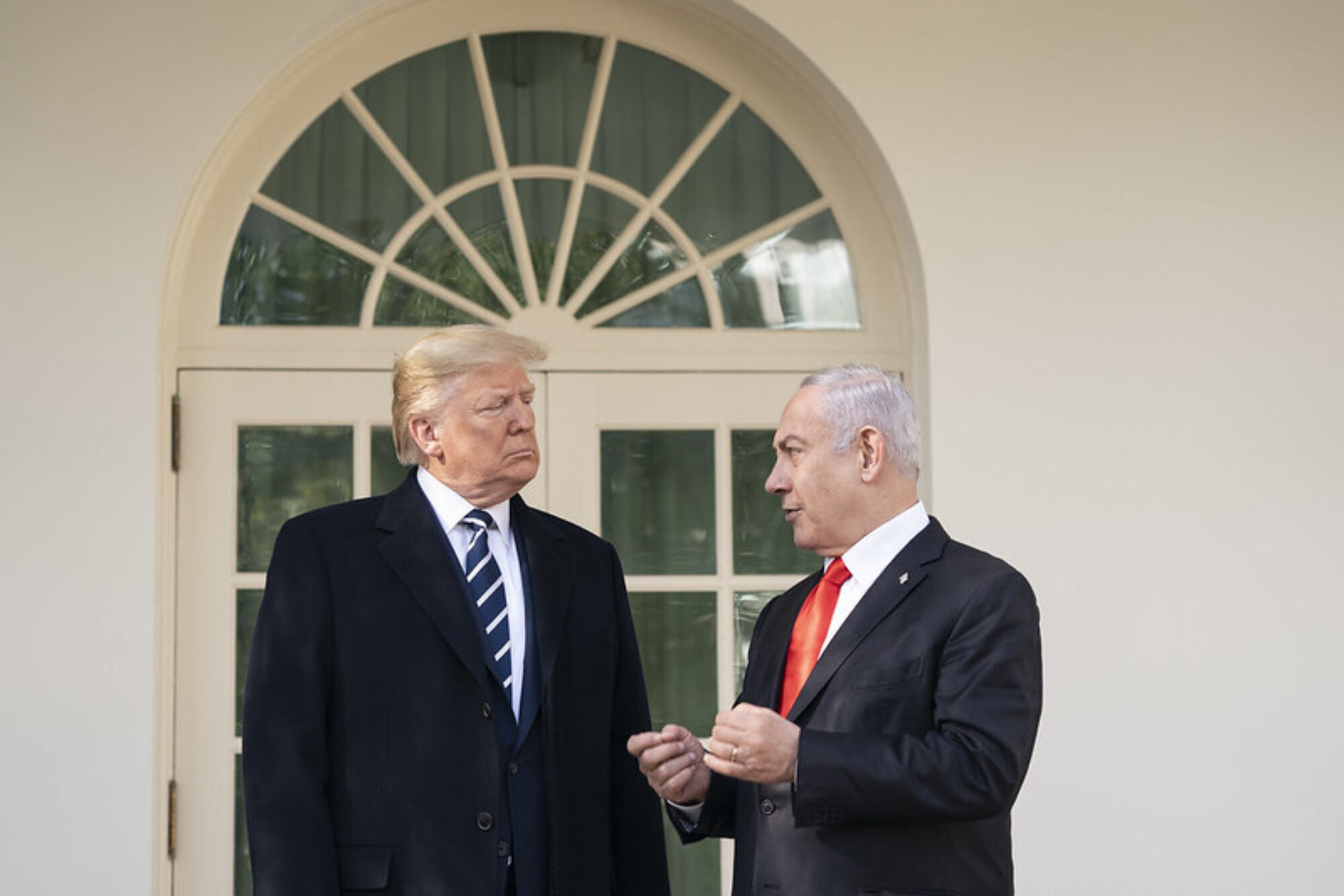
US President Donald Trump and Israeli Prime Minister Benjamin Netanyahu have agreed that Washington should ramp up efforts to curb Iran’s vital oil exports to China, signaling a renewed push in their joint “maximum pressure” policy against Tehran.
According to US officials cited by Axios, the agreement was reached during a White House meeting on Wednesday, where both leaders emphasized the need to target Iranian oil sales to China—the biggest buyer of Iranian crude, accounting for more than 80 per cent of exports. Any significant cut in these exports would directly squeeze Iran’s oil revenues, a crucial pillar of its economy.
Potential US steps include tougher sanctions enforcement, targeting shipping networks, and penalizing companies that facilitate the movement of Iranian oil. These measures aim to disrupt the flow of Iranian crude to China and further isolate Tehran economically.
China, meanwhile, responded by defending its energy cooperation with Iran as “reasonable and legitimate,” urging respect for international law and condemning unilateral sanctions. Beijing has continued purchasing Iranian oil despite mounting US pressure, arguing that such trade is lawful and mutually beneficial.
The US-Israeli push comes as Washington pursues a delicate diplomatic path with Iran. Indirect nuclear talks were held in Oman last week, and the US has bolstered its military presence in the region, signaling readiness to respond if diplomatic efforts stall.
Trump’s administration is balancing its desire for a new nuclear deal with a strategy of economic and military pressure. For Israel, cutting Iran’s oil income is seen as a crucial step in limiting Tehran’s regional influence and nuclear ambitions.
Any move to sharply reduce Iranian oil exports to China could ripple through global energy markets, strain US-China relations, and further complicate the already volatile Middle East landscape.