


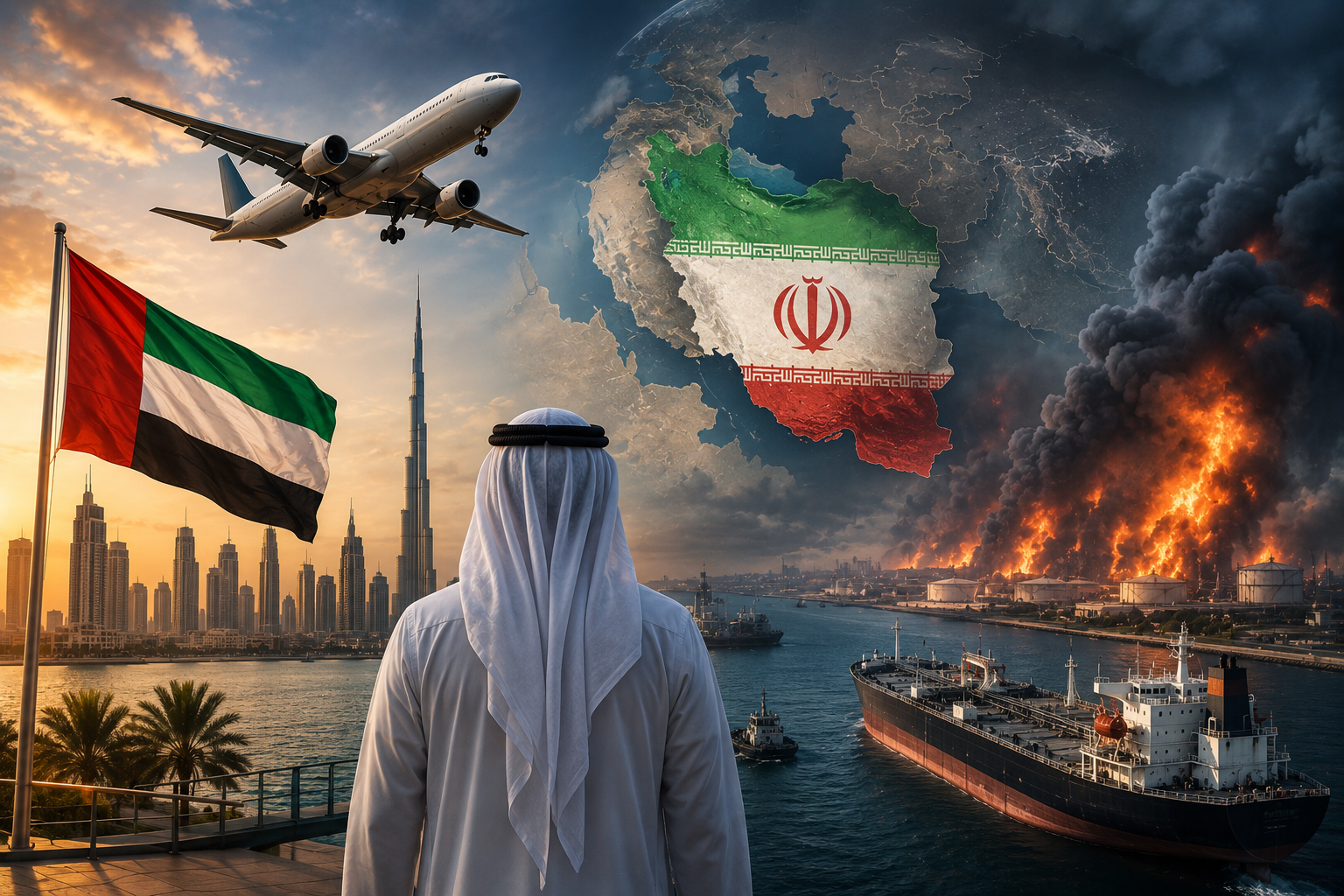
Dubai: The ongoing tensions between the United States and Iran continue to influence aviation, shipping, trade and financial markets across the Gulf. UAE residents see a mixed situation, with flights and uncertainty around the Strait of Hormuz persisting.
At the start of Monday, no new exchanges of fire were confirmed. Iran keeps threatening to impose restrictions on the strategic waterway. Meanwhile, Washington is preparing sanctions against Tehran.
UAE flights remain affected
Airline operations throughout the UAE remain mixed. Emirates cancelled two Dubai‑Bahrain routes, EK835 and EK837, even though EK839 was scheduled. Emirates also scheduled Dubai‑Kuwait services.
Etihad Airways’ Abu Dhabi‑Bahrain and Abu Dhabi‑Kuwait flights mostly operated. Flydubai kept services to Kuwait, Bahrain and Saudi Arabia, though one Bahrain flight was cancelled.
Air Arabia also reported cancellations and pending departures on UAE‑Kuwait‑Bahrain routes.
Passengers who travel today should check their flight status with the airline before heading to the airport.
Strait of Hormuz remains a concern
Iran declares that the Strait of Hormuz will stay closed until the United States lifts sanctions and its naval blockade, maintaining pressure on one of the world’s most important energy‑shipping routes.
The report states that U.S. Forces redirected 70 vessels during the blockade, disabled three and boarded two. U.S. Central Command said these actions were intended to ensure compliance.
For the United Arab Emirates, prolonged disruption could raise shipping costs, affect energy markets, disrupt supply chains and impact trade.
US prepares sanctions
Washington is expected to announce more sanctions against Iran. Treasury Secretary Scott Bessent described the planned measures as among the toughest ever imposed.
Tehran seeks trade arrangements and regional security partnerships to lessen the impact of U.S. Financial and shipping restrictions.
Iran’s rial hits record
Iran’s economic pressure grows stronger with the U.S. Dollar reportedly reaching 200,000 tomans, about 2 million rials, on the open market.
The currency collapse increases pressure on imports, raises inflation, and weakens household purchasing power.
Threats raise Gulf concerns
Iranian officials warned Gulf countries not to support U.S. Sanctions. National security adviser Mohsen Rezaie said such participation could be seen as an act of war.
The United Arab Emirates stays on heightened defence alert. Residents are advised to follow government and civil defence information and refrain from spreading unverified security reports.