


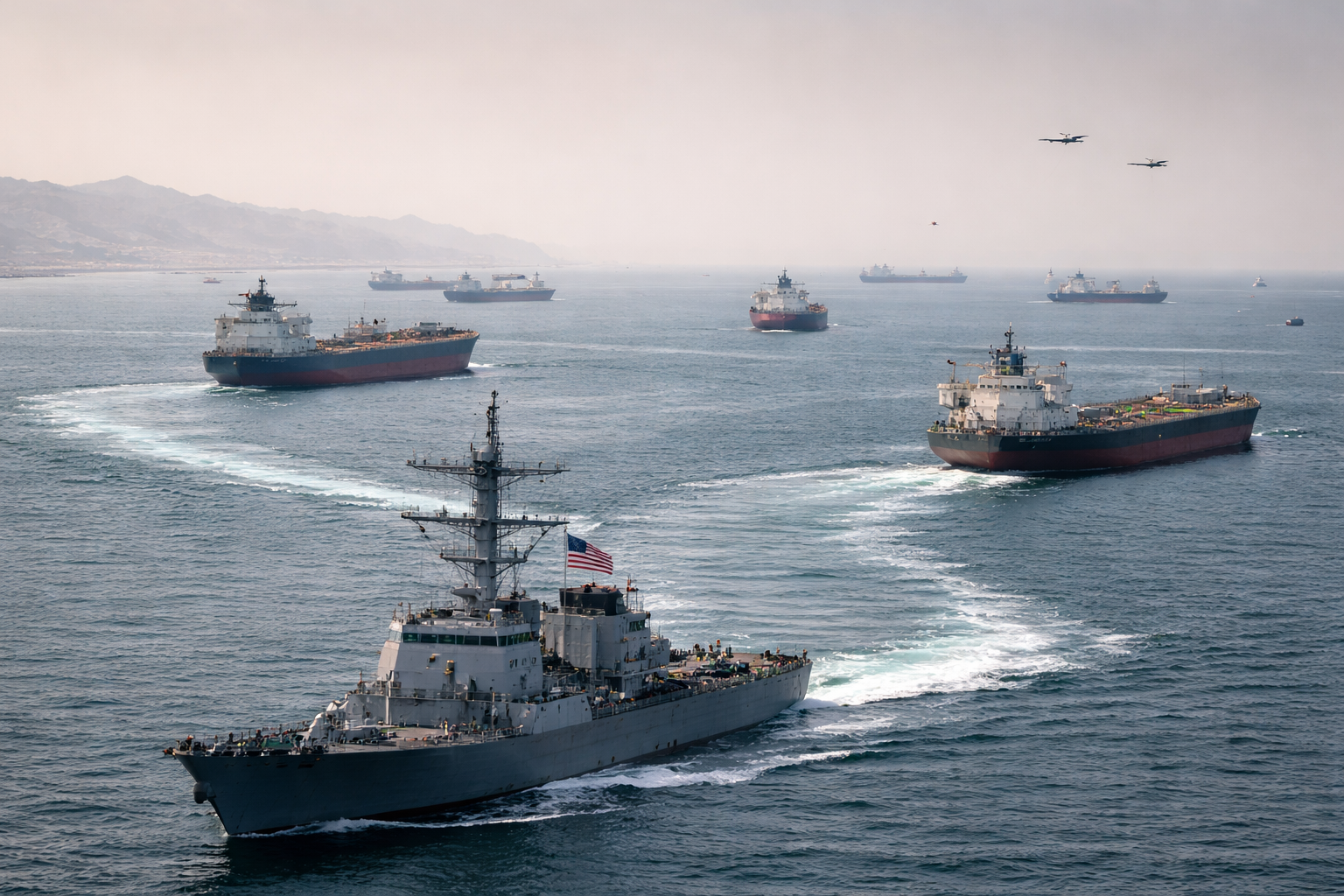
The Strait of Hormuz has formally reopened to shipping.. If you look at what’s happening on the water, it’s a different story. Despite Iran saying access is restored, vessel movements are still tightly controlled. This shows that there are still tensions between countries, and the US naval blockade is still affecting things.
The Strait is a path that carries about 20% of the world’s seaborne oil. It has been under a lot of pressure since the conflict involving Iran, the United States and its allies got worse. While reopening is a sign that shipping companies are still being careful, the situation is uncertain.
According to the United States Central Command, 21 vessels have already turned back toward Iranian waters. This happened after US forces enforcing the blockade told them to do so. This shows that the reopening has limits and access is still conditional and closely monitored.
Donald Trump said that the blockade on Iranian-linked shipping will stay in place. This will continue until a larger agreement is reached on Tehran’s nuclear programme. He is hopeful about a deal, but also warned that if negotiations fail, there could be renewed military action.
Tehran has also issued a warning. Senior officials said that the strait could be closed again if US pressure continues. This raises the risk of another disruption in energy flows. This back-and-forth shows how fragile the current situation is, even though the waterway is technically open.
Shipping data shows that traffic through the corridor is still much lower than usual. Operators are weighing safety risks and insurance costs. Many vessels are sticking to designated transit routes while others are delaying passage.
A ceasefire deadline is. Diplomatic talks might resume in Pakistan. The coming days could be very important. For markets, the situation is very uncertain. Even a brief disruption in Hormuz can cause big problems, with oil prices, supply chains and economic stability worldwide.