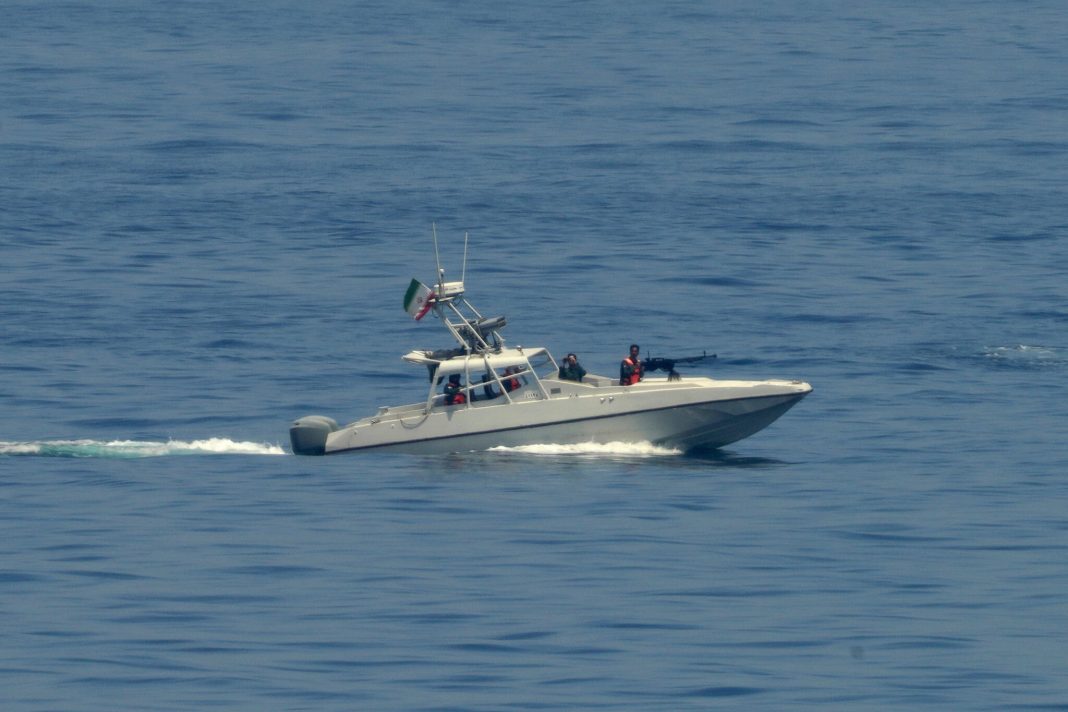

Iran has taken a dramatic step by moving to close the Strait of Hormuz, a crucial global shipping lane, after being targeted by missile strikes from the United States and Israel. According to reports, vessels in the Gulf have received urgent radio warnings from Iran’s Islamic Revolutionary Guard Corps (IRGC), telling them that passage through the strait is now blocked.
Why is the Strait of Hormuz so important?
This narrow stretch of water is one of the world’s most vital maritime corridors. Roughly 20% of global oil consumption—millions of barrels per day—flows through the Strait of Hormuz. It’s the lifeline connecting the Arabian Gulf to the Gulf of Oman and the Arabian Sea, with key energy exporters like Saudi Arabia, the UAE, Kuwait, Iraq, and Qatar all relying on it to ship oil and gas to international markets.
Iran, which sits on the northern side of the strait, controls key access points, giving it significant influence over this energy chokepoint.
What could be the impact?
Any sustained disruption in the Strait of Hormuz could send shockwaves through the global economy. Oil prices would likely spike, LNG shipments (especially from Qatar) could be delayed or halted, and insurance costs for ships in the region would soar. Shipping companies might be forced to reroute vessels, adding time and expense to global supply chains.
Energy markets are already jittery, with prices climbing amid fears of a potential blockade.
What happens now?
A full closure of the strait would be a major escalation, possibly triggering an international naval response as countries work to ensure the flow of vital energy supplies. Historically, similar situations have involved threats, brief interruptions, or harassment of ships—rather than a long-term shutdown.
For now, the situation is highly fluid. Regional governments and global markets are watching closely, bracing for further developments as tensions continue to rise.