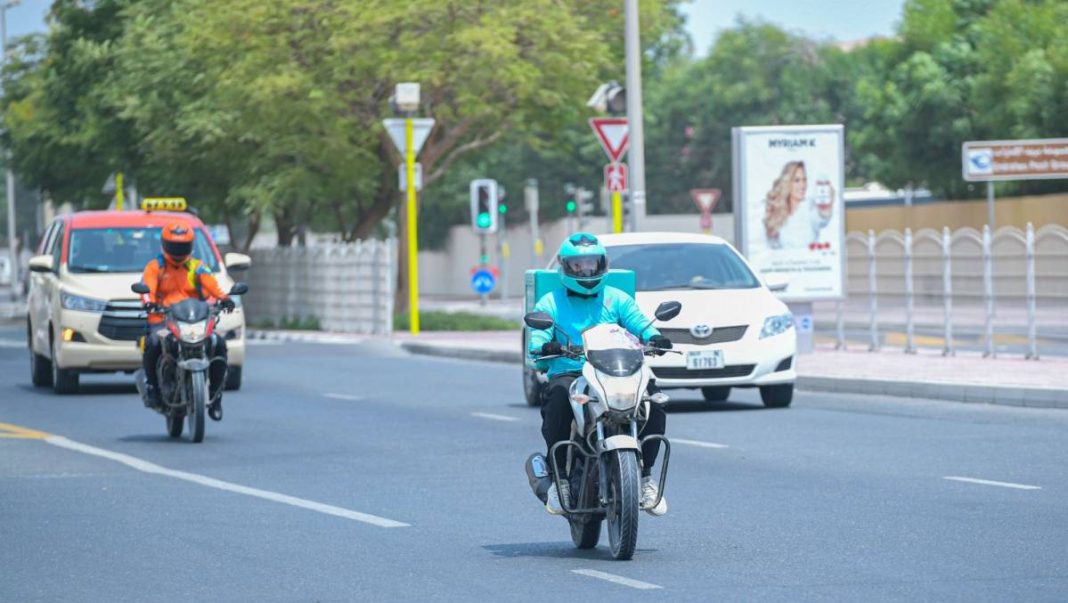

Gulf countries are cracking down on food delivery apps as concerns grow over hidden fees, high commissions, and algorithm-driven practices that many say are unfair to restaurants and consumers.
Platforms like Talabat, HungerStation, and Deliveroo now dominate food delivery in the region, with the UAE’s sector alone expected to hit nearly $4 billion by 2030. But as these apps become central to daily life, their rapid growth is drawing increased scrutiny from regulators.
Restaurants often pay not just a commission on every order, but also extra for marketing, processing, and service fees. Platform promotions that look like discounts for customers are frequently funded by the restaurants themselves, further squeezing their already slim profit margins. Meanwhile, search rankings can be influenced by how much a restaurant pays or advertises on the app, making it harder for smaller outlets to compete unless they spend more.
Kuwait leads the way
This month, Kuwait’s Ministry of Commerce and Industry rolled out tough new rules for the next three years. These cap commissions and service fees, ban hidden charges, prohibit exclusivity deals, and outlaw algorithms that unfairly boost certain vendors. Restaurants must also be given access to operational data—giving them more transparency and negotiation power. Legal experts say these changes are a major step toward protecting small businesses and ensuring fair competition.
UAE and Qatar tighten oversight
In the UAE, regulators issued new guidelines last September requiring food delivery platforms to be more transparent about how they display search results and to stop shifting subscription costs onto restaurants. Arbitrary price changes are also now banned.
Qatar has gone even further: in 2025, it fined Talabat QAR1.14 million and temporarily suspended its operations over misleading product information. The company was also ordered to set up a permanent customer call center.
What’s next for the industry?
Analysts believe these reforms could help restore “menu price parity”—so what you pay on the app is closer to what you’d pay in person. While people are unlikely to give up food delivery any time soon, growth in the sector may slow as the era of aggressive discounts and hidden fees comes to an end. Across the Gulf, authorities are making it clear: food delivery needs to work for restaurants and consumers—not just the platforms.