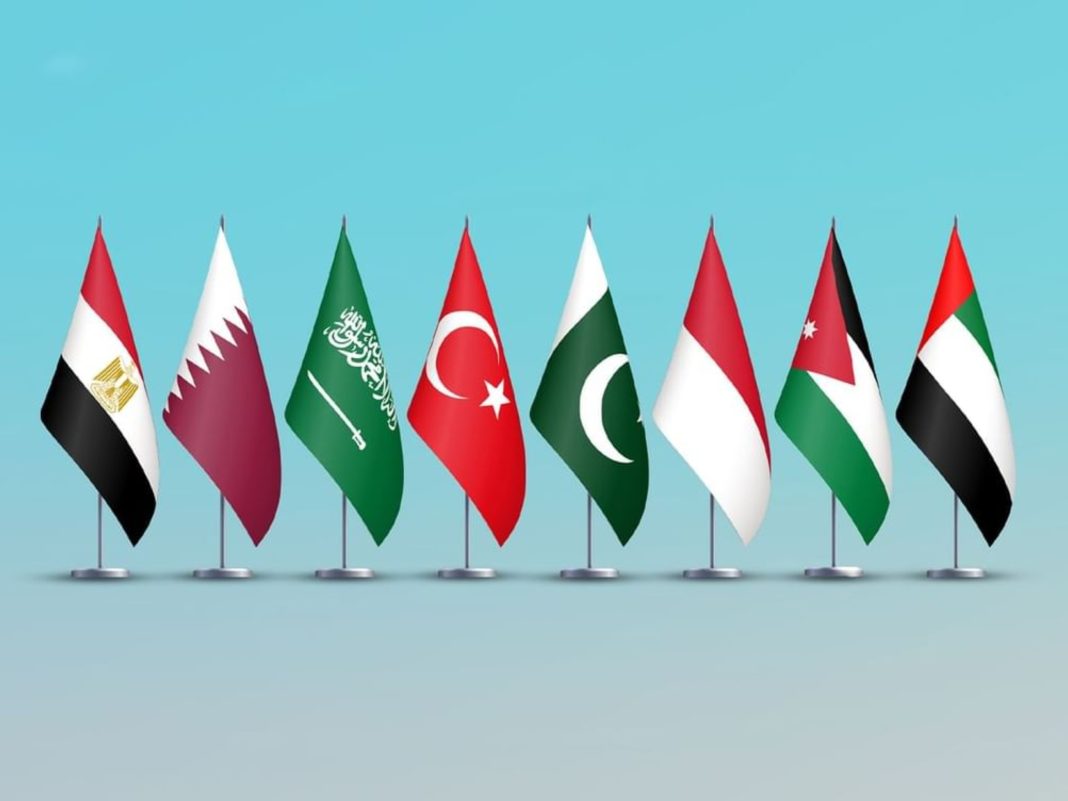

The UAE has joined a broad coalition of Arab and Muslim nations in strongly condemning recent remarks by the US Ambassador to Israel, who suggested it would be acceptable for Israel to maintain control over territories belonging to Arab states—including the occupied West Bank. The comments have sparked swift and unified criticism from across the region, with leaders calling them a dangerous violation of international law and a threat to peace.
In a joint statement, foreign ministries from the UAE, Egypt, Jordan, Indonesia, Pakistan, Türkiye, Saudi Arabia, Qatar, Kuwait, Oman, Bahrain, Lebanon, Syria, and Palestine—along with the Organisation of Islamic Cooperation, the League of Arab States, and the Gulf Cooperation Council—expressed “strong condemnation and profound concern” over the ambassador’s comments.
Officials described the remarks as “flagrant violations” of both international law and the United Nations Charter, warning that legitimizing control over occupied lands undermines efforts to promote tolerance and peaceful coexistence. Instead, they said, such statements only fan the flames of tension and incitement.
The ministries reiterated that Israel has no sovereignty over the Occupied Palestinian Territory or other occupied Arab lands. They restated their firm opposition to any annexation of the West Bank, separation of the West Bank from Gaza, expansion of settlement activities, or threats to the sovereignty of Arab states.
The group cautioned that continued expansionist policies and unlawful actions would only inflame violence and further erode hopes for peace.
The joint statement also reaffirmed support for a two-state solution, emphasizing the right of the Palestinian people to self-determination and the establishment of an independent state along the 1967 borders, with East Jerusalem as its capital.
Concluding their declaration, the signatories urged an end to incendiary rhetoric and called for renewed focus on diplomacy and a comprehensive political solution—warning that anything less risks further destabilizing the already fragile region.