


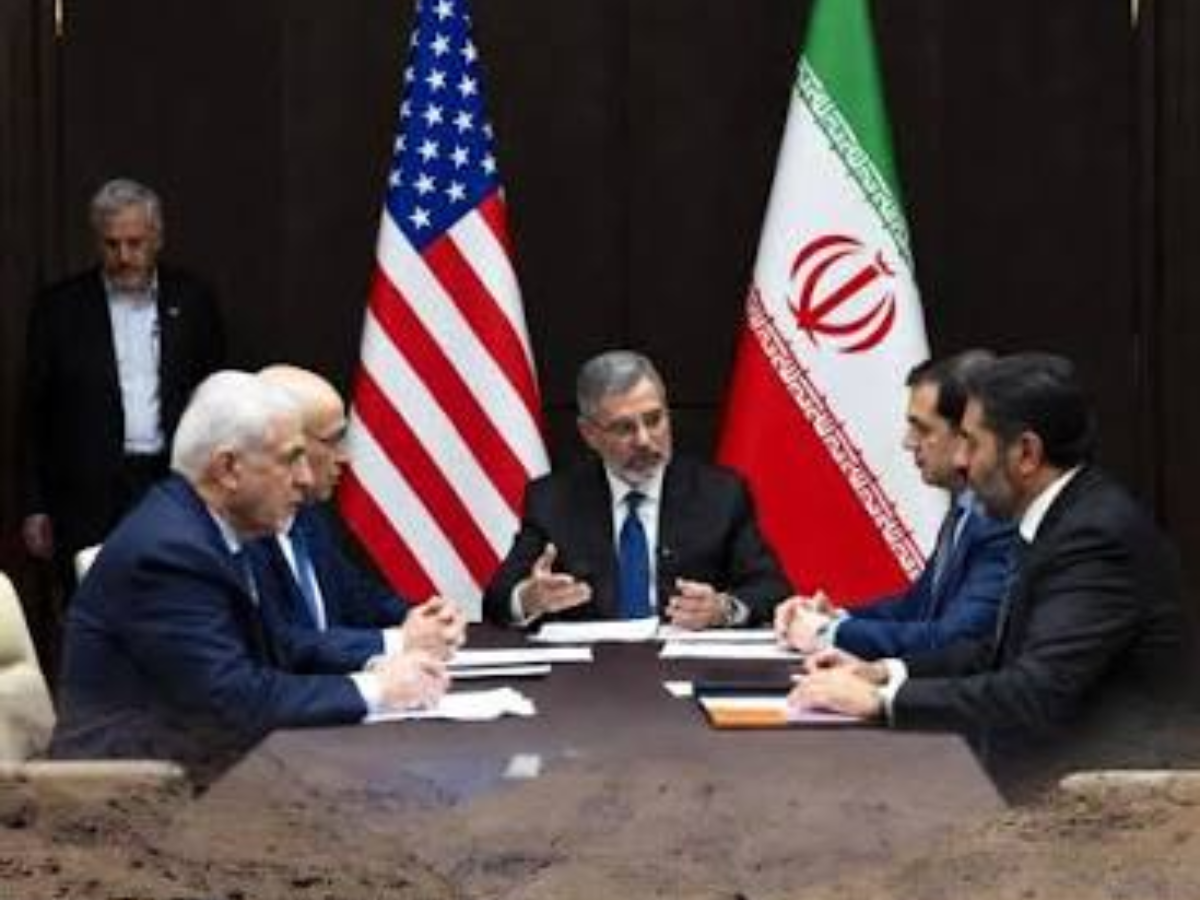
Dubai: Diplomatic efforts to ease tensions in the Middle East gathered momentum on Tuesday, even as isolated security incidents underscored the region’s stability.
Oman has proposed a mechanism for jointly managing the Strait of Hormuz. At the same time, the United States confirmed a fresh round of Israel-Lebanon talks aimed at preventing renewed conflict along the border. According to Reuters, Oman has presented Iran with a backed proposal modelled on the Strait of Malacca under which users of the waterway would make voluntary contributions to support navigation safety, environmental protection and search-and-rescue operations. Iran has not publicly accepted the proposal.
Iranian Foreign Minister Abbas Araghchi also held calls with Omani Foreign Minister Badr Al Busaidi and Saudi Foreign Minister Prince Faisal bin Farhan to discuss regional security and developments in the strategic shipping lane.
Meanwhile, the US State Department confirmed that US-mediated talks between Israel and Lebanon will take place in Rome from August 4 to 6. The negotiations will focus on expanding security arrangements, implementing Hezbollah’s disarmament framework, deploying troops in southern Lebanon and preventing another escalation along Israel’s northern border.
The Pentagon has also begun a review of its posture in Europe. US Defence Under Secretary Elbridge Colby said the assessment aims to encourage NATO allies to take responsibility for conventional defence, with some US military assets expected to be reduced.
Despite the push, security concerns persist. Israel and Jordan separately reported intercepting drones near their shared border on Tuesday. Neither country identified who launched the aircraft, and it remains unclear whether both statements referred to the drone. In Lebanon, Lebanon’s state-run National News Agency reported that an Israeli drone struck a residential apartment in Nabatieh Al Fawqa, triggering a fire. No casualties were immediately reported.
Iran also said its energy sector suffered damage during the conflict. Government spokesperson Fatemeh Mohajerani said attacks reduced natural gas production capacity by around 230 million metres per day and estimated total direct and indirect economic losses at $270 billion, although the figure has not been independently verified.
While direct US-Iran hostilities have eased, developments around the Strait of Hormuz, Lebanon and regional security indicate that diplomatic efforts remain critical to preventing another escalation.