


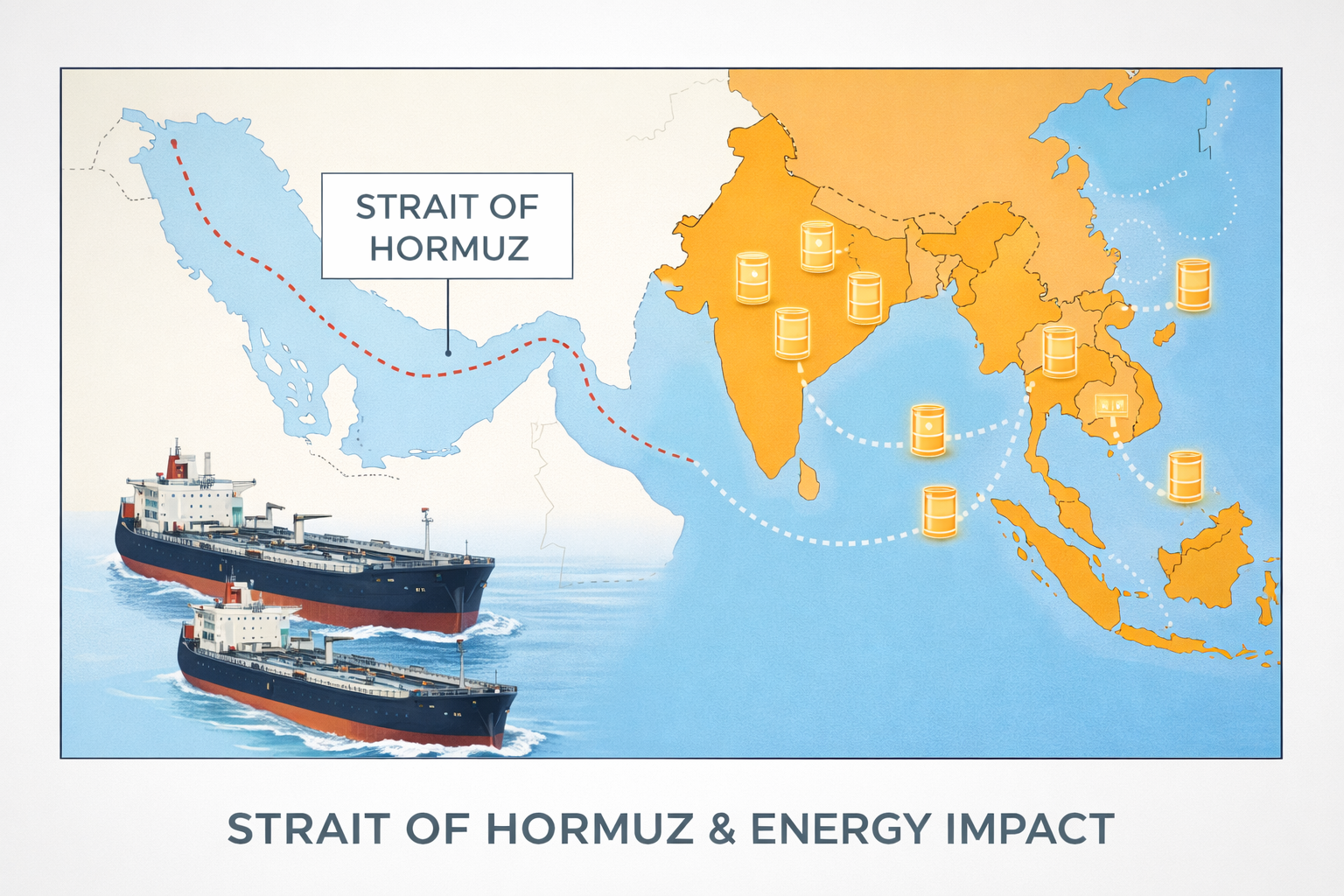
The Strait of Hormuz disruption has caused a problem for the Association of Southeast Asian Nations. This is because the region relies heavily on imported fuel. The Strait of Hormuz is an important place for oil to pass through. When there is a disruption, it affects the availability and price of fuel. The ASEAN region is badly affected because it gets a lot of its energy from the Middle East.
Countries like the Philippines and Vietnam are in a spot. The Philippines gets all of its crude oil from other countries. Vietnam also relies a lot on the Middle East for its energy. As a result, fuel prices have gone up. This has increased the cost of transportation, electricity and everything else in the region.
The crisis has also affected the market for liquefied gas. Singapore is one of the countries that is affected because it uses a lot of gas for energy. Some ASEAN countries do not have the ability to refine oil, so they have to import fuel. This makes the problem even worse.
People often think that renewable energy is the answer. It is not a quick fix. Solar, wind and hydropower are getting more popular in ASEAN. However, they are not yet able to replace oil in areas like transportation, shipping and aviation. Also, using renewable energy means relying on countries like China for technology and important materials.
The current crisis shows that ASEAN needs an energy plan. The countries in the region are starting to realise that they need to use types of energy to store energy for emergencies and work together. In the term ASEAN will need to use a combination of fossil fuels, renewable energy and better infrastructure. The Strait of Hormuz disruption is a reminder that energy security’s not just about having enough energy but also about being flexible and prepared for unexpected problems. The Strait of Hormuz disruption is a deal for ASEAN’s energy security and renewables.