


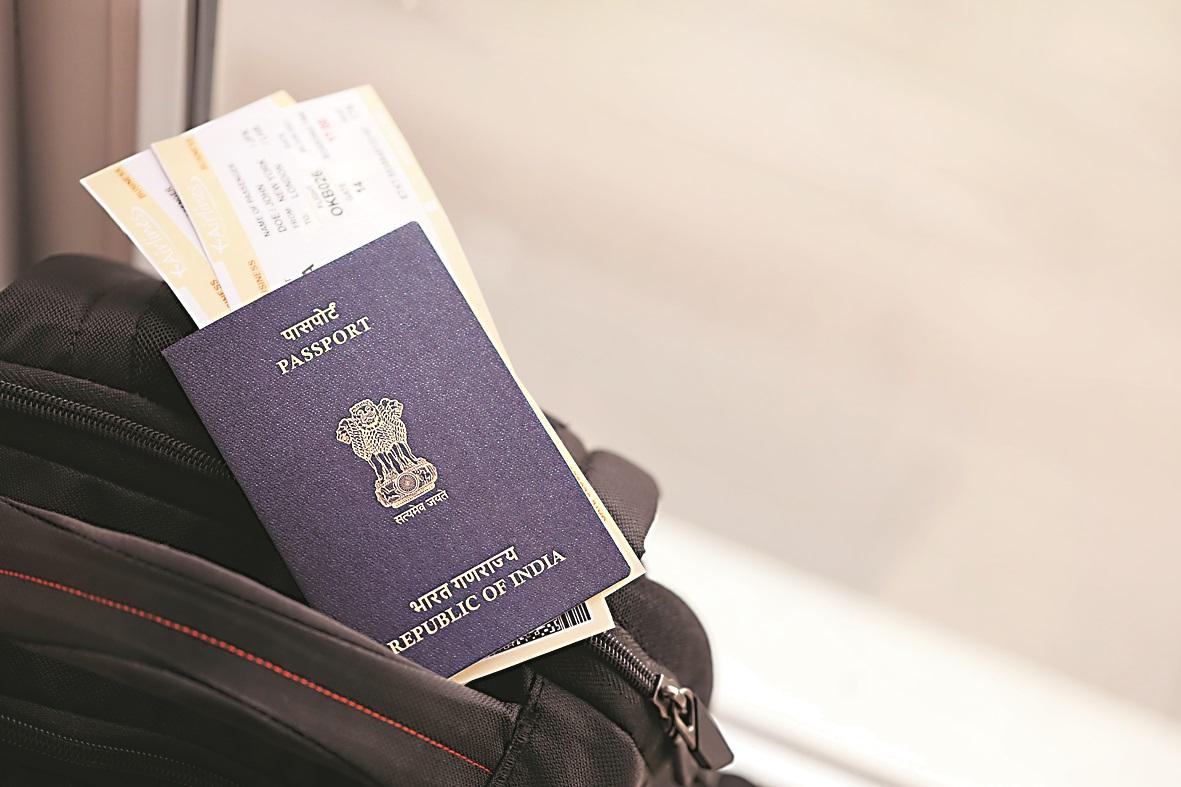
New Delhi: Old government records from 2010 are being talked about again. They say that people with passports and living abroad, also known as Non-Resident Indians or NRIs, are considered citizens. As citizens, they can ask for information under the Right to Information or RTI Act. Overseas Citizens of India or OCI and Persons of Indian Origin or PIO are not considered citizens. The government recently said that having a passport does not mean someone is a citizen. This has started a debate on how citizenship is decided in India.
Some NRIs in the United States had written to the Prime Minister, Manmohan Singh. They wanted to be able to take part in India’s governance and get information under the RTI Act. This led to discussions between government ministries. They talked about who should be considered a citizen under the RTI Act.
- The Ministry of External Affairs said that only people with passports can ask for information under the RTI Act. They also said that OCI and PIO cardholders are not citizens, so they cannot ask for information. The Ministry of Home Affairs agreed with this. They said that NRIs with passports are citizens and can ask for information. Recently, the government said again that a passport is a travel document. It does not prove citizenship. Some experts say that the government’s view is correct and has been supported by courts. Some politicians do not agree. They think that a passport should be enough to prove citizenship.
- Shashi Tharoor, a Congress MP, said that it is a ” legal paradox”.
- He wants the law to be changed so that passports can prove citizenship.
The debate is about the difference between citizenship and having a passport. It also highlights that NRIs with passports are still considered citizens. They can ask for information under the RTI Act.