


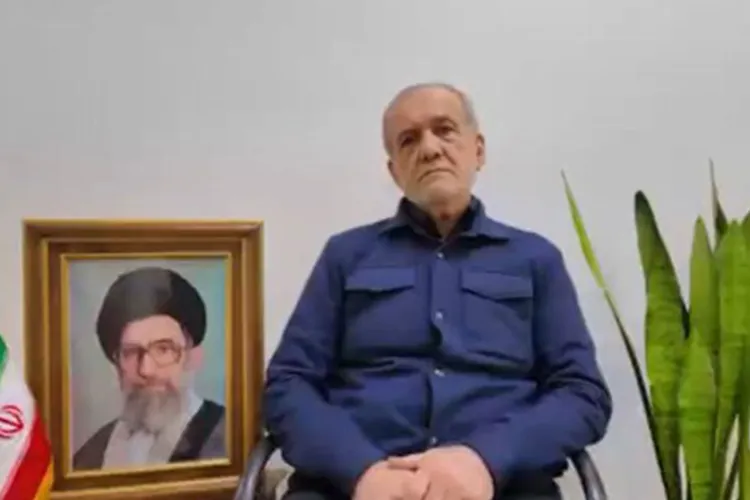
President Pezeshkian Issues Public Apology Amid Escalating Conflict
Iranian President Masoud Pezeshkian has publicly apologised to neighbouring countries impacted by recent Iranian missile and drone strikes, assuring that Tehran will not launch additional attacks on regional states unless provoked from their territory. The remarks come as tensions soar across the Middle East following a dramatic escalation between Iran, Israel, and the United States.
Assurances to Neighbours After Strikes
In a televised address, Pezeshkian acknowledged the fallout from Iran’s retaliatory attacks, which affected several nearby countries amid the ongoing conflict with Israel and US-backed forces. “I must apologise on my own behalf and on behalf of Iran to the neighbouring countries that were attacked by Iran,” he stated, stressing that future military action would only target neighbours if attacks on Iran originated from their soil.
Regional Escalation After Israeli Airstrikes
Pezeshkian’s statement follows Israeli airstrikes on Tehran and other strategic sites across Iran, with reports of over 80 Israeli fighter jets targeting missile sites, military facilities, and positions linked to the Islamic Revolutionary Guard Corps. The Israeli campaign, supported by the United States, marks a significant escalation in the conflict.
In response, Iran launched waves of missiles and drones at Israel and US military installations throughout the Gulf region. Air raid sirens sounded in Israeli cities as defence systems worked to intercept incoming threats.
Gulf States Heighten Security
The expanding conflict has prompted Gulf nations to raise their alert levels. Bahrain activated warning sirens, urging residents to seek shelter, while Saudi Arabia intercepted missiles and drones aimed at critical military and energy targets.
Tensions have also intensified in the Strait of Hormuz, a crucial oil shipping lane. Iran’s Revolutionary Guards reported that an explosive drone struck an oil tanker in the Gulf, further raising concerns about maritime safety in the region.
Diplomatic Efforts and Regional Risks
Amid rising casualties and military actions spreading across multiple fronts, the Arab League has called an emergency meeting of foreign ministers to discuss the crisis and explore diplomatic solutions.
With the conflict threatening to engulf more countries, analysts warn of the very real risk of a wider regional war, drawing in both regional powers and the broader international community.