


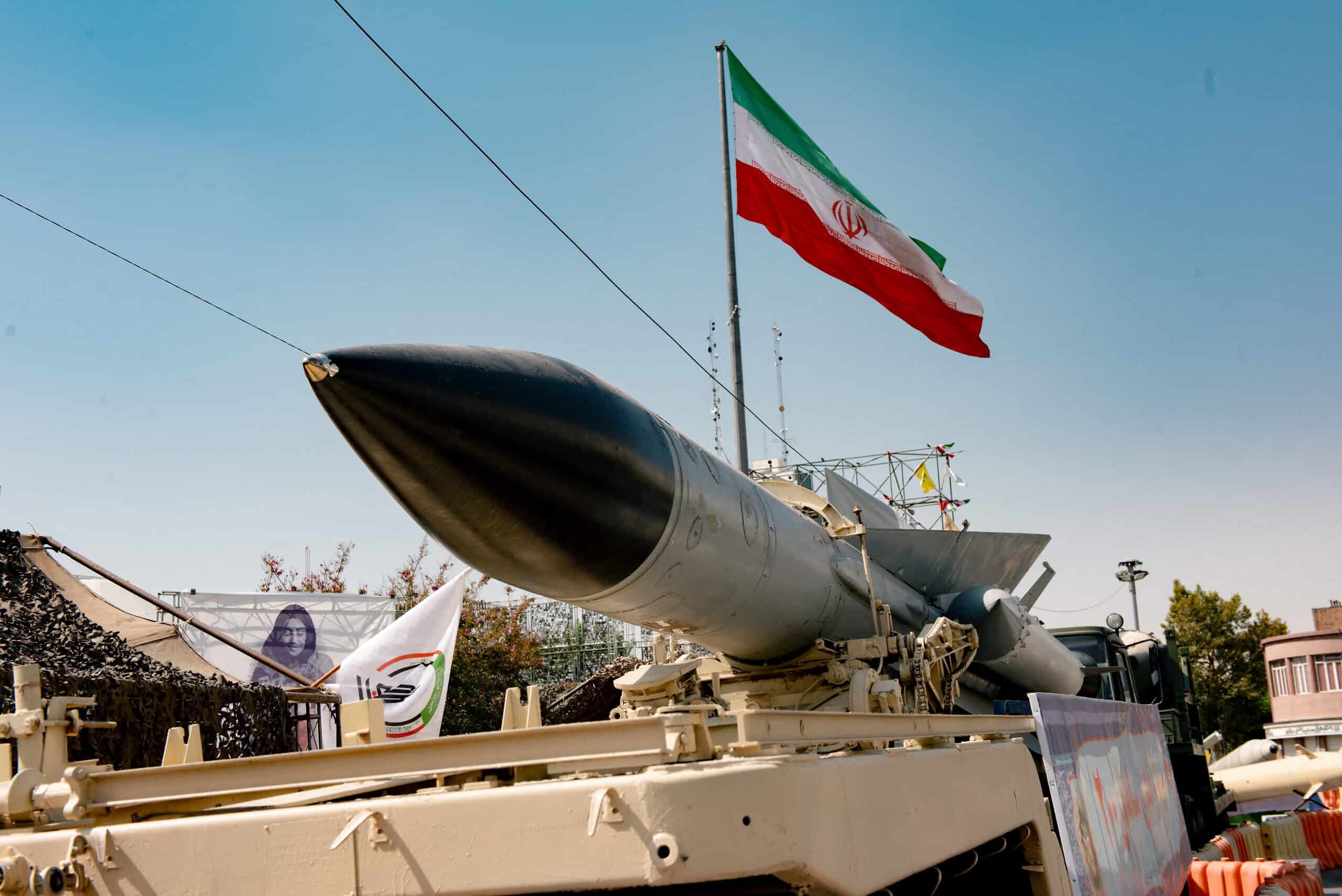
As tensions in the Middle East escalate, Iran’s missile arsenal has moved to the center of global attention—shaping not only the battlefield but also the region’s broader security calculations. Analysts widely consider Iran’s missile force the largest and most varied in the Middle East, forming the backbone of Tehran’s deterrence strategy and enabling rapid retaliation.
What’s in Iran’s arsenal?
At the heart of Iran’s missile playbook are ballistic missiles, which are rocket-propelled weapons designed to deliver warheads over varying ranges. Iran’s short-range missiles, like the Shahab-1 and Zolfaghar, can strike targets up to 700–800km away, while medium-range models such as the Shahab-3, Emad, and Sejjil can reach as far as 2,500km—enough to put Israel and US bases in the Gulf within reach. Despite some rhetoric, these missiles cannot reach the continental United States.
Iran has also developed a range of cruise missiles, including the Soumar and Hoveyzeh, which fly low and are harder to detect, making them a challenge for air defenses. Recent years have seen a focus on drones, too. The Shahed 136, a one-way attack drone, is cheaper and slower than missiles but can be launched in swarms to overwhelm enemy defenses.
How does Iran use its missile force?
Iran’s approach is to layer its threats—combining ballistic missiles, cruise missiles, and drones—to force adversaries to defend against multiple types of attacks at once. This strategy was on display in recent escalations, with Iran launching barrages of both missiles and drones toward Israel and US-linked facilities.
To protect this capability, Iran has built underground “missile cities”—a network of tunnels and storage depots designed to keep its arsenal functional even after initial strikes. In 2020, Iran demonstrated its ability to launch missiles directly from underground, reinforcing its message of survivability and deterrence.
Strategic leverage and escalation risks
Iran’s missile doctrine isn’t just about land targets; it also extends to the sea. With anti-ship missiles, drones, and fast-attack boats, Iran can threaten shipping in the Strait of Hormuz, a vital chokepoint for global oil flows. Even the threat of missile attacks can send insurance premiums soaring and rattle markets.
While Iran claims its missile program is defensive—offsetting its aging air force—Western analysts warn it raises the risk of rapid escalation and regional instability. The latest conflict shows that Iran’s missile arsenal is no longer just a tool of deterrence, but an active—and unpredictable—part of today’s military landscape in the Middle East.