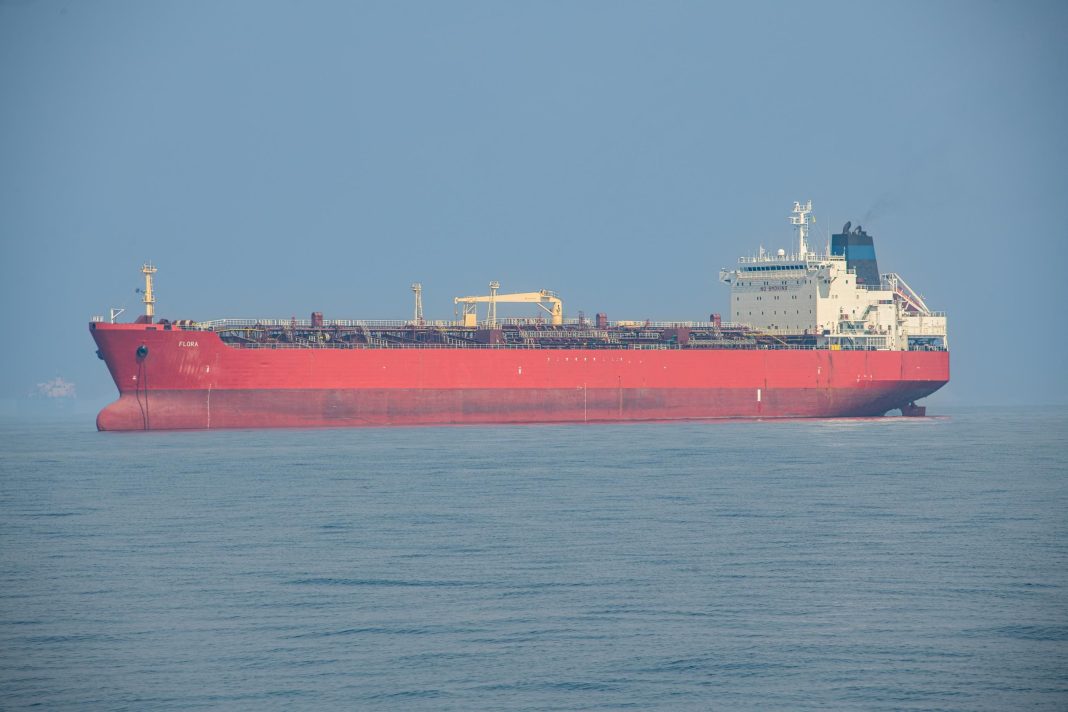

Global shipping costs for oil tankers have soared to their highest levels in six years, as mounting fears of a potential US-Iran conflict send traders scrambling to secure vessels. The cost of hiring a Very Large Crude Carrier (VLCC)—which can haul up to 2 million barrels of oil from the Middle East to China—has shot up to more than $170,000 per day, more than triple the rates seen at the start of the year.
This surge isn’t just about geopolitics. Middle Eastern crude exports have jumped to over 19 million barrels per day—the highest since 2020—as Saudi Arabia, the UAE, and Iran ramp up shipments. India has also increased its oil purchases from the region, cutting back on Russian imports. Stronger refinery demand in Asia and the return of Venezuelan oil to mainstream shipping routes are adding fuel to the fire.
Meanwhile, there’s a squeeze on available ships. Older tankers have been pulled into the so-called “shadow fleet,” carrying sanctioned oil and leaving fewer vessels for legitimate trade. War-risk insurance premiums are spiking too, with the threat of conflict in the Strait of Hormuz—a key chokepoint for Gulf oil exports—making charterers nervous. Many are locking in ships early, driving up spot rates even further.
Major players are taking notice: South Korea’s Sinokor has rapidly expanded its VLCC fleet, aiming to become the world’s largest commercial operator in this sector.
While the tanker market is booming, analysts warn that these sky-high shipping costs could eventually eat into refinery profits and slow demand, which might put the brakes on the rally in the months ahead.