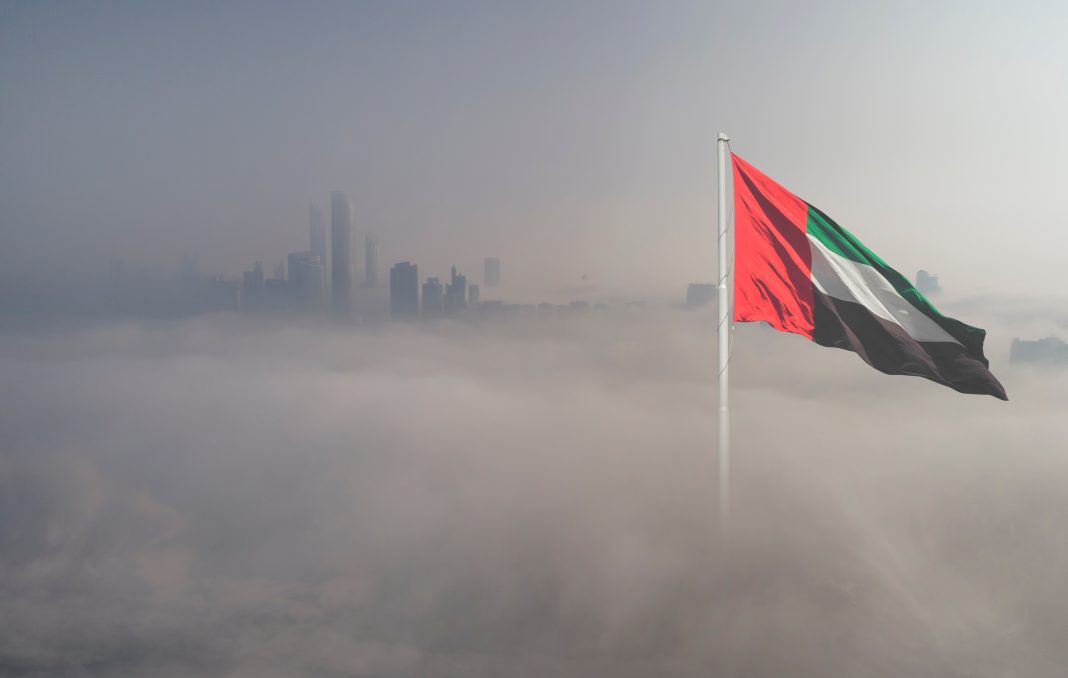

If you’ve found yourself driving through soup-thick mist on your way to work lately, you’re not alone—the UAE is in the grip of one of its foggiest spells of the year. Dense fog has blanketed much of the country this week, slashing visibility on major highways and prompting safety warnings from authorities.
What’s causing all this fog?
Meteorologists at the National Centre of Meteorology (NCM) say it’s a perfect storm of weather patterns: strong high-pressure systems both at the surface and higher up in the atmosphere are trapping moisture close to the ground overnight. When temperatures dip in the early morning hours, all that moisture condenses and forms thick, ground-hugging fog by dawn.
This kind of fog is especially common in late winter. Northerly and north-westerly winds—active from January through February—collide with the UAE’s humid coastal air, setting the stage for widespread, dense fog.
When is fog season in the UAE?
Typically, fog can hit any time from November through May, but the thickest fog usually shows up between January and late February. It tends to form between 3am and 6am and can linger through the morning rush, sometimes until 9am or later. Key highways like Sheikh Zayed Road (E11), E311, and E611, as well as desert stretches, are often the hardest hit. Even within cities like Dubai, Abu Dhabi, and Sharjah, visibility levels can change dramatically from one block to the next.
How long will the fog last?
The NCM expects foggy mornings to continue until around February 28. As we move into March and temperatures start to rise, the conditions that support thick fog will weaken, promising clearer mornings by the first week of March.
Is this a sign that summer is here?
Not quite. The UAE is currently in a transitional phase—sometimes called “Scorpion season”—that bridges winter and spring. While daytime temperatures will gradually increase from the current 15°C–28°C range to around 18°C–30°C by mid-March, the real summer heat is still a ways off.
In the meantime…
Authorities are urging drivers to stay alert: slow down, keep your distance from other cars, and use your fog lights rather than high beams when visibility drops. With a little caution, you can safely navigate these misty mornings until clearer skies return.