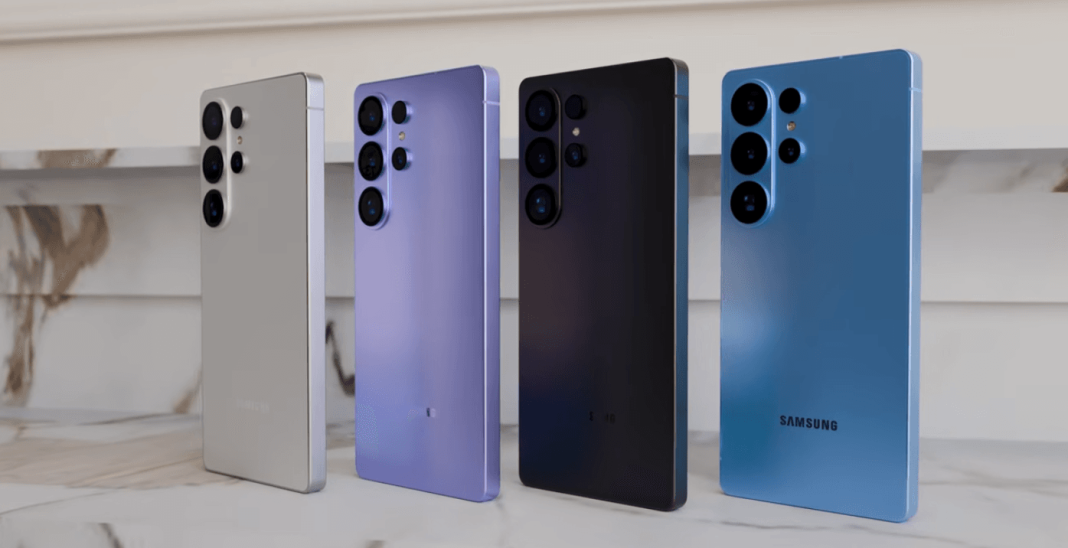

When Samsung’s Galaxy S26 Ultra specs leaked, many were puzzled: Why did the 3x telephoto camera seem to drop from 12MP to 10MP? Wasn’t that a step backward?
Actually, it’s a leap forward—and a perfect example of how camera quality is about much more than just megapixels.
Why “lower” megapixels is a smart move
Samsung’s new 3x zoom uses the ISOCELL 3LD sensor, officially 12MP, but only the central 10MP are used for image capture. Why? Because the center of any sensor is the “sweet spot” where optics are sharpest, colors most accurate, and distortion minimal. By cropping out the weaker edges, Samsung ensures you get the cleanest possible image.
When you take a photo, the S26 Ultra blends multiple exposures to construct a sharp, detailed 12MP final image. So rather than losing detail, you actually gain clarity and accuracy.
A real upgrade under the hood
The big leap isn’t just about cropping. The ISOCELL 3LD introduces a “three-stack” sensor with built-in DRAM memory—right inside the sensor itself. This means image information is captured and stored instantly, before there’s a chance for motion blur, rolling shutter, or other artifacts to creep in. Faster readout means less distortion, especially when zoomed in.
Why this matters for real photography
Have you ever taken a photo of a moving car, a spinning fan, or a running child, only to find the image looks warped? That’s rolling shutter. The S26 Ultra’s sensor reads the image so quickly that these distortions are dramatically reduced, giving you truer, crisper photos—especially at zoom.
Smarter processing, better results
Backing up the hardware is Qualcomm’s Snapdragon 8 Gen 5, with an AI-enhanced Image Signal Processor. This chip makes lightning-fast exposure decisions, balances highlights and shadows, and fine-tunes color and detail—even in tricky lighting. The result? Sharper portraits, better skin tones, and more natural photos, even if your hands aren’t perfectly steady.
What you’ll notice in everyday use:
- Sharper, steadier zoom portraits
- Faster shutter response—less lag between pressing the button and capturing the moment
- Crisp, blur-free shots of moving subjects
- Clearer low-light zoom photos, with less grain
- Smoother, more stable 3x zoom video
Why fewer megapixels can be better
Packing in more megapixels often means smaller pixels, more noise, and slower processing. Samsung chose to focus on speed, sensor intelligence, and real-world detail instead of chasing big numbers for the spec sheet.
The bottom line
The Galaxy S26 Ultra’s 3x camera isn’t a downgrade—it’s a smarter, more refined approach to mobile photography. By rethinking how the sensor works, Samsung delivers faster, cleaner, and more reliable images—proving that sometimes, less really is more.