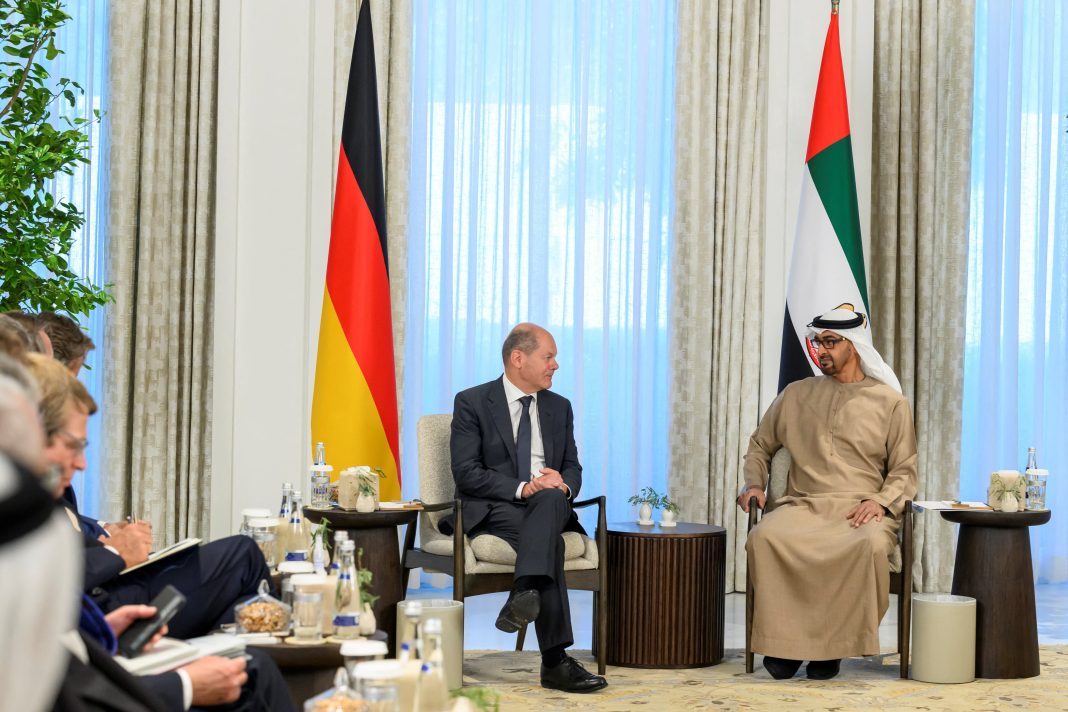

The United Arab Emirates has drawn up plans to build a compound to house thousands of displaced Palestinians in southern Gaza under Israeli military control, according to a planning map seen by Reuters and people briefed on the proposal.
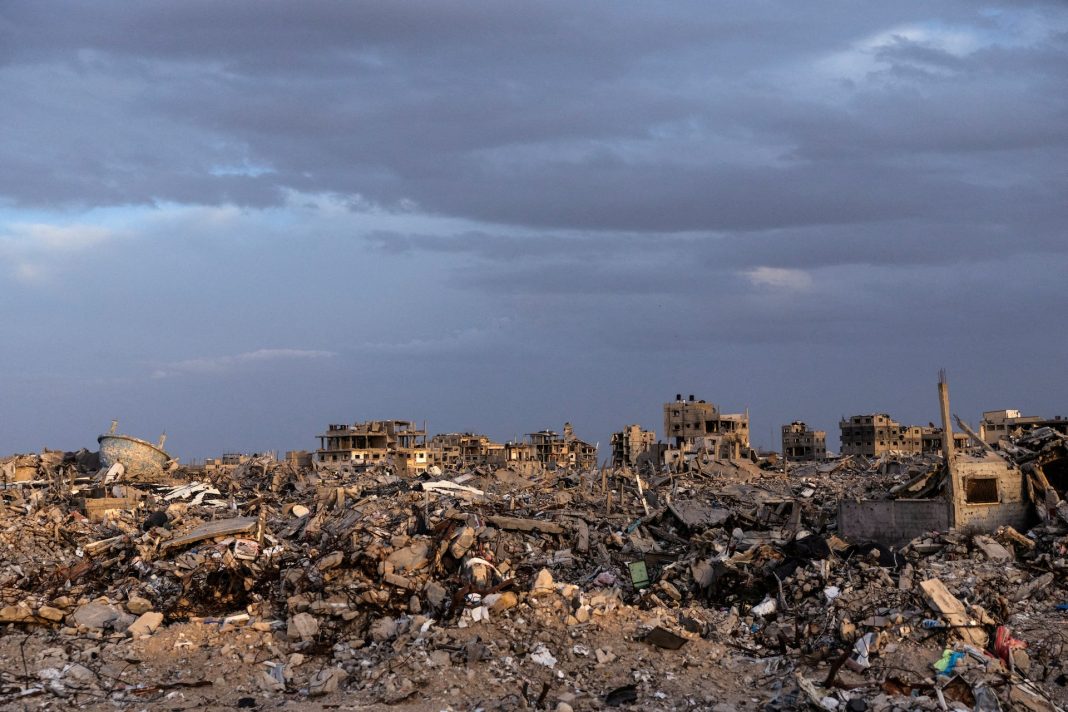
The map identifies a site near Rafah for what’s described as a “UAE Temporary Emirates Housing Complex.” Rafah, which used to be home to around 250,000 people, has been largely destroyed and emptied out during Israel’s two-year war with Hamas and is currently under Israeli control.
The area, close to the Egyptian border, is expected to be among the first locations for reconstruction under U.S. President Donald Trump’s plan for post-war Gaza. But donors have been hesitant to commit funds, citing uncertainty over whether Hamas will actually disarm and the risk of fighting breaking out again.
Diplomats said there are serious doubts about whether the Emirati plan is politically realistic. Most Palestinians may not be willing to move to an Israeli-controlled zone, and the vast majority of Gaza’s population is still living in Hamas-run areas.
According to four diplomats briefed on the initiative, Emirati officials have shared details of the proposal with U.S. counterparts as part of a broader, U.S.-led multinational effort for Gaza. The housing site would be located near the “yellow line” agreed under an October ceasefire that marks the boundary between Israeli- and Hamas-controlled areas.
An Emirati official, responding to questions from Reuters, said the UAE “remains committed to scaling up its humanitarian efforts to support Palestinians in Gaza,” but didn’t confirm or deny plans to build the housing complex.
A U.S. official said the UAE was coordinating with Washington, the Board of Peace — a new body set up by President Trump — and a U.S.-backed Palestinian committee expected to administer Gaza.
U.S. officials have argued that building housing in Israeli-controlled areas could encourage Palestinians to move out of Hamas-run zones, weakening the group’s hold. But analysts and diplomats are questioning whether the initiative could actually attract large numbers or if it might just end up entrenching Gaza’s territorial division.
Israel currently controls about 53% of Gaza, including Rafah. Nearly all of Gaza’s two million residents remain in Hamas-controlled areas, living in overcrowded camps amid widespread destruction.